
Where To Use Durable Wall Materials in Your Home
Written by publishingreporting@logicalposition.com // November 21, 2026 // Walls and Ceiling // No comments
When planning a new home or renovating an existing one, homeowners usually spend considerable time choosing wall colors and decorative finishes. However, some walls need more than an attractive appearance because their location exposes them to moisture, frequent contact, or everyday messes. Choosing materials that suit these conditions can reduce maintenance demands and protect the surfaces beneath them.
Knowing where to use durable wall materials in your home begins with identifying the demands of each space. A material that works beautifully in a living room may struggle behind a kitchen sink or beside a busy entryway. Matching wall protection to how you use each room creates a more practical home without sacrificing its appearance.
Protect Kitchen Walls From Cooking and Cleaning
Kitchen walls face different conditions depending on their proximity to sinks, countertops, and cooking appliances. Water splashes can reach the wall behind a sink, while grease and food residue collect near preparation areas. Standard painted drywall may require frequent cleaning in these locations, particularly when homeowners choose finishes that resist scrubbing poorly.
Tile remains a popular backsplash choice because its glazed surface handles routine cleaning well. Glass panels provide another smooth option, although fingerprints and water spots may become more noticeable. When choosing a backsplash, consider how easily you can clean the material and whether its joints require additional maintenance.
The area behind a cooking range deserves particular attention because heat and grease create different demands than water splashes. Choose materials that tolerate the expected conditions and follow the manufacturer’s installation requirements near cooking equipment. Extending the backsplash across the most exposed sections of the wall can create a consistent appearance while simplifying cleanup.
Give Laundry Rooms Better Moisture Protection
Laundry rooms can experience occasional water splashes from utility sinks or damp clothing, making the walls around these areas worth protecting. Although proper ventilation and plumbing maintenance remain essential, moisture-resistant finishes can make routine cleaning easier and limit damage from minor splashes.
Consider installing tile or another suitable washable surface behind a utility sink, especially when the surrounding wall receives regular contact with water. Moisture-resistant drywall may be appropriate in certain locations, but it cannot replace waterproofing where direct water exposure occurs. Choose materials according to the conditions they will face, and address leaks promptly because decorative wall coverings cannot protect against persistent moisture behind the surface.
Consider Metal Panels for Utility Spaces
Utility rooms, workshops, and certain storage areas benefit from wall surfaces that tolerate frequent cleaning and incidental contact. In these spaces, homeowners may prioritize practical maintenance while still wanting materials that look appropriate alongside the rest of the home. Metal panels can provide a smooth, durable surface when the installation meets the room’s requirements.
For example, polished stainless steel panels can create a washable wall surface in selected residential applications. Their reflective appearance may suit a contemporary utility room, although fingerprints and scratches can remain visible. Before selecting metal panels, consider edge treatments, fastening methods, and the condition of the supporting wall. Proper installation matters because even a durable surface can perform poorly when moisture becomes trapped behind it.
Reinforce Entryways and Mudrooms Against Daily Wear
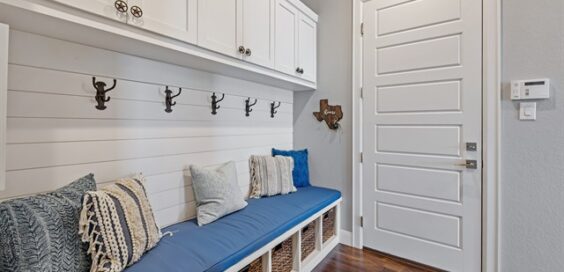
Entryways experience repeated contact from shoes, bags, furniture, and people moving through the home. Mudrooms face similar demands, especially when family members return from outdoor activities with wet clothing or dirty equipment. Painted drywall can develop scuffs and dents in these locations, creating maintenance work that suitable wall protection could reduce.
Wainscoting and durable wall panels offer practical ways to protect areas that receive frequent contact. Homeowners can use washable paint above the protective surface to maintain a consistent appearance throughout the room. When choosing panel materials, consider their resistance to impact and how easily you can repair individual sections. A finish that looks attractive on installation day should remain manageable after years of everyday use.
Choose Bathroom Wall Materials Based on Exposure
Bathroom walls encounter varying levels of moisture, so the same material does not necessarily belong throughout the room. Walls inside showers experience direct water exposure, while surfaces near vanities generally encounter occasional splashes and humidity. Recognizing this difference allows homeowners to choose suitable protection without covering every wall with expensive materials.
Shower enclosures require an appropriate waterproofing system behind the finished surface because tile and grout alone do not create a waterproof assembly. Around vanities, washable paint or a suitable backsplash may provide sufficient protection from ordinary splashes. Ventilation remains important throughout the bathroom, particularly when humidity lingers after showers. Select materials that work with the room’s moisture conditions and follow the installation requirements for each application.
Protect Garage Walls Where Equipment Makes Contact
Garage walls can experience impacts from bicycles, lawn equipment, storage containers, and tools. Although standard drywall may satisfy the requirements of many garage interiors, homeowners sometimes need additional protection where equipment frequently contacts the wall. Identifying these locations before installing storage systems can make future maintenance more manageable.
Impact-resistant panels or suitable protective wall coverings can reinforce selected areas without requiring a complete garage renovation. However, homeowners should confirm that any covering complies with applicable fire-separation requirements, particularly on walls adjoining living spaces. Choose protection that accommodates planned shelving and storage equipment while preserving access to electrical components. Durable materials should support the garage’s function without compromising its safety.
Match Wall Protection to the Room’s Actual Needs
Before purchasing wall materials, examine where damage is most likely to occur and what causes it. A narrow area behind a sink may need splash protection, while a long hallway may benefit more from impact-resistant finishes. Covering every surface with the toughest available material can increase costs without providing meaningful benefits.
Consider the condition of the existing wall before installation because damaged substrates can undermine the finished surface. Compare cleaning requirements and repair options alongside the initial material cost. Some surfaces tolerate regular washing but show scratches, while others resist impacts yet require more attention around joints.
When comparing materials, think about whether you can replace a damaged section without disturbing the surrounding wall. Individual tiles or removable panels may offer more flexibility than continuous coverings, depending on the installation method. Choosing a finish that suits both the room’s demands and your maintenance preferences can make future repairs less disruptive.
Build Durability Into Your Home’s Design
Thoughtful wall protection can make everyday maintenance easier while preserving the appearance of frequently used spaces. Homeowners gain the most value when they consider how people interact with each room and select materials that address those conditions. You can protect vulnerable areas with durable finishes while maintaining a cohesive design throughout your home.
Deciding where to use durable wall materials in your home ultimately comes down to matching each surface with the conditions it will encounter. Whether you are planning a new build or improving an existing property, identify vulnerable areas before selecting finishes. That approach allows you to invest in protection where it serves a clear purpose while keeping the rest of your home’s design flexible.
Image Credentials: By Allison, 615615292




 If you want to contribute tutorials, news or other money-related stuff:
 Share our home building library with your facebook friends:
 Do you have any ideas or suggestions you would like to make?
 If you like what we do, please subscribe to our
 All content Copyright © 2012 SayBuild. Part of nBuy Home Management Network.