
Common Causes of Cracks in Wooden Floors
Written by publishingreporting@logicalposition.com // November 19, 2026 // Flooring // Comments Off on Common Causes of Cracks in Wooden Floors
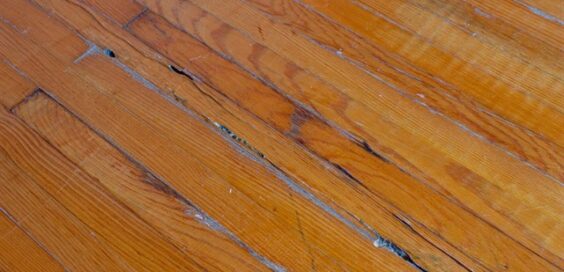
Wooden floors have a way of making a home feel warm and inviting, but even the most beautiful hardwood can develop cracks over time. Some appear as thin lines between planks, and others cut directly through the wood itself. The common causes of cracks in wooden floors range from seasonal humidity changes to structural concerns beneath the surface. Take a closer look at the guide below to take care of your flooring at home today.
1. Seasonal Changes in Humidity
Wood naturally absorbs moisture from the air and releases it as indoor conditions change. During humid summer months, hardwood planks expand slightly as their moisture content rises. Once winter arrives and indoor heat dries the air, those same boards contract and leave narrow gaps between their edges.
These seasonal gaps tend to appear across several planks. A floor might look perfectly uniform in August, then develop visible spaces by January. Many of those gaps shrink again once humidity returns to its previous level. A consistent indoor humidity level can help reduce these fluctuations.
2. Excess Moisture Beneath the Floor
Humidity isn’t the only moisture concern for hardwood floors. Water can also enter through concrete slabs, damp crawl spaces, plumbing leaks, or poorly protected subfloors. As moisture accumulates, individual boards may swell unevenly and develop stress that eventually leads to cracks or splits.
The damage may become more noticeable after the moisture source disappears. Wood that expands during a leak can contract as it dries, leaving permanent gaps or distorted planks behind. Dark stains, cupped edges, and unusual odors may accompany the damage.
Homeowners should address the source of moisture before attempting cosmetic repairs. A floor that remains damp beneath the surface may continue to deteriorate despite new filler or replacement boards. Professional moisture tests can help determine the extent of the problem.
3. Improper Acclimation Before Installation
Hardwood needs time to adjust to the environmental conditions of its future home. If boards arrive with a moisture content that differs substantially from the conditions at the property, their dimensions may change after installation. This can create noticeable separation, cracks, or pressure between adjacent planks.
For example, hardwood stored in a humid warehouse may lose moisture after it enters a dry, climate-controlled house. The boards gradually shrink, and gaps begin to appear across the finished floor. The opposite situation can cause expansion and excessive pressure against neighboring planks.
Proper acclimation depends on the manufacturer’s instructions, the flooring material, and actual moisture measurements. Some products require specific environmental conditions rather than a fixed number of days indoors. Moisture testing before installation helps establish if the wood and subfloor are ready.
4. Natural Age and Wear
Even well-maintained hardwood floors experience gradual changes as the years pass. Decades of foot traffic, furniture movement, and seasonal expansion can affect the wood and its finish. Older floors may develop fine cracks around knots, grain patterns, or areas that have endured repeated stress.
These imperfections aren’t automatically a reason to replace an entire floor. A small surface crack in an otherwise stable plank may be a cosmetic concern rather than a structural defect. Deep splits that extend through a board deserve closer attention, particularly if the wood feels loose underfoot.
Age also affects how a floor responds to repairs. Older boards may have undergone several refinishes, leaving less material available for future restoration. An assessment of the remaining wood thickness can help homeowners understand their options. Learn when to replace aging hardwood floors so you can prompt upgrades when necessary.
5. Heavy Furniture and Concentrated Pressure
Hardwood is durable, but it isn’t immune to excessive force. Heavy furniture, dropped objects, and concentrated loads can damage individual planks, especially near existing weak spots. A narrow furniture leg may place substantial pressure on a small section of wood.
Cracks caused by impact usually have a different appearance from seasonal gaps. Instead of uniform spaces between boards, homeowners may notice a localized split, indentation, or fracture near the affected area. Damage around a knot or an existing defect may become more pronounced after repeated pressure.
Furniture pads can distribute weight across a broader surface and reduce the chance of damage. It’s also wise to lift heavy pieces during room rearrangements rather than drag them across the floor. These habits help protect both the wood and its finish.
6. Problems With the Subfloor
Sometimes, the source of a cracked hardwood floor lies beneath the visible boards. An uneven, unstable, or deteriorated subfloor can allow excessive movement under normal foot traffic. Over time, that movement may place stress on the hardwood and contribute to cracks or separation.
A floor that creaks, flexes, or feels unusually soft deserves further examination. These symptoms may indicate loose fasteners, damaged subfloor materials, or inadequate support. Cracks near areas of noticeable movement can provide another clue.
Surface repairs won’t resolve problems that originate beneath the hardwood. Homeowners should have the underlying structure evaluated before replacing damaged boards. Otherwise, the same stress may affect the new material.
7. Installation Errors and Inadequate Expansion Space
Wood floors need sufficient room to respond to natural environmental changes. If hardwood is installed too tightly against walls or other fixed surfaces, expansion can create excessive pressure across the floor. That pressure may contribute to buckled boards, damaged edges, or fractures.
Improper fastener placement can create additional stress. Nails or staples installed incorrectly may split the edges of hardwood planks, especially near their ends. Problems with adhesive applications or subfloor preparation can also affect the floor’s long-term performance.
Some installation defects become apparent shortly after the project is complete, but others take months to develop. A qualified flooring professional can examine the layout, board movement, and visible damage to identify possible installation concerns.
How to Prevent Cracks in Wooden Floors
Understanding the common causes of cracks in wooden floors gives homeowners a better foundation for long-term floor care. Many problems begin with moisture fluctuations, excessive pressure, or conditions beneath the hardwood. A few consistent habits can help limit unnecessary stress and preserve the floor’s appearance.
Start with stable indoor humidity and prompt attention to spills or leaks. Protect vulnerable areas from concentrated furniture loads, and watch for new gaps that appear alongside cupped boards or unusual movement. Small seasonal gaps may need no repair at all, but persistent cracks deserve a closer look.
Image Credentials: By Emre Akkoyun, 504930110


 If you want to contribute tutorials, news or other money-related stuff:
 Share our home building library with your facebook friends:
 Do you have any ideas or suggestions you would like to make?
 If you like what we do, please subscribe to our
 All content Copyright © 2012 SayBuild. Part of nBuy Home Management Network.