
Stock vs. Custom Cabinets: What Should You Choose?
Written by publishingreporting@logicalposition.com // August 12, 2026 // Kitchen and Dining // Comments Off on Stock vs. Custom Cabinets: What Should You Choose?
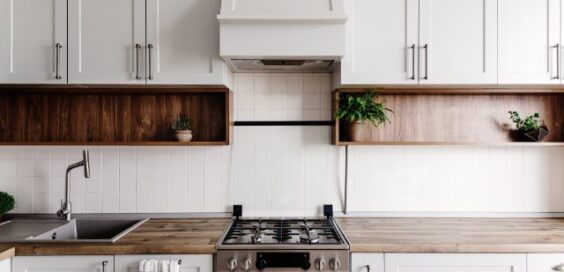
Cabinets shape how a kitchen looks, but they also affect storage, layout, and the construction schedule.
Homeowners building from the ground up have more freedom than someone working around an existing kitchen, which can make the decision feel even bigger. Comparing stock cabinets vs. custom cabinets for your home can help you decide where flexibility matters and where a simpler option makes sense.
The right choice depends on your kitchen plans and how much customization you want. Budget matters too, especially when cabinetry competes with flooring or other finishes for room in the construction allowance.
Know What Stock Cabinets Offer
Stock cabinets come in predetermined sizes and styles. Manufacturers produce them in standard dimensions, which makes them easier to source than cabinets built specifically for one kitchen.
That standardization can work well in straightforward layouts. If your kitchen follows common wall dimensions and doesn’t have unusual corners, stock cabinets may cover most of what you need.
You’ll usually have fewer choices for cabinet widths or specialized details. The tradeoff is a simpler selection process that can help keep the project moving.
Stock doesn’t automatically mean plain. Door styles and finishes vary by manufacturer, and hardware gives homeowners another way to personalize the finished kitchen.
Look at What Custom Cabinets Change
Custom cabinets give you much more freedom with dimensions. A cabinetmaker can adjust width or depth to suit a particular wall instead of making the layout work around standard box sizes.
That flexibility can help in kitchens with unusual architecture. It can also make sense when the homeowner has a specific storage plan that standard cabinets can’t support.
Custom work gives you more control over finishes and interior details. That freedom usually comes with a higher price and a longer planning process.
Homeowners building a new house should account for that timeline early. Cabinet measurements affect countertop planning, while final placement can influence appliance clearances.
Compare the Budget Before Falling in Love With a Look
Cabinetry can take a noticeable share of a kitchen budget, which makes it worth comparing options before choosing every finish.
Stock cabinets often cost less because manufacturers produce standard sizes at scale. Custom cabinetry requires more project-specific labor, which usually raises the price.
Price still varies within each category. Construction materials and hardware can affect the final number, which means a higher-grade stock cabinet may cost more than an entry-level custom option in some cases.
Ask contractors or cabinet suppliers for quotes based on the same kitchen plan. That gives you a cleaner comparison than looking at cabinet prices without accounting for the whole layout.
Let the Floor Plan Guide the Choice
A kitchen with long, uninterrupted walls may fit standard cabinet sizes easily. A room with angled walls or unusual ceiling conditions may benefit from something more tailored.
New construction gives homeowners the advantage of planning these decisions before framing reaches its final stages. If you already know you want stock cabinetry, your builder may be able to keep the kitchen dimensions friendly to standard sizes.
Custom cabinets can solve more complicated areas without relying as heavily on fillers.
That flexibility can matter around windows or architectural details where every inch counts. It can also help when homeowners want cabinetry to reach a particular ceiling height without awkward gaps.
Design Tip: Plan Cabinets With the Whole Kitchen in Mind
Cabinets shouldn’t get selected in isolation.
Look at how the doors open near appliances. Check where seating begins around the island. Think about how upper cabinets relate to windows.
A few useful questions can help:
- Will standard cabinet sizes fit the planned walls?
- Do you need storage that standard boxes can’t provide?
- How much room does cabinetry have in the overall budget?
- Does the construction timeline allow for custom production?
Answering those questions early can narrow the decision before you spend hours comparing door samples.
Consider Ready-to-Assemble Options
Stock cabinetry includes more than fully assembled boxes waiting at a store or warehouse.
Some homeowners and contractors use ready-to-assemble cabinets when they want standardized cabinetry that arrives flat-packed. RTA cabinets include the components needed for assembly before installation.
That format may suit homeowners who feel comfortable assembling cabinetry or contractors who already plan to handle installation.
RTA quality varies by manufacturer, just as quality varies across assembled stock products. Look at cabinet-box construction and hardware before comparing prices.
Assembly also belongs in the budget conversation. A lower purchase price may look different once you account for the time or labor required to put the cabinets together.
Think About Storage Before Style
Door color can easily take over the cabinet conversation, but the interior deserves just as much attention.
Walk through how you expect to use the kitchen. Think about where cookware will live and which items you reach for every day.
Stock cabinet lines may offer pullouts or drawer configurations that cover your needs. If they do, paying for custom dimensions may not add much value.
Custom cabinetry can make more sense when you have a particular storage problem. An unusual pantry space or a narrow wall may benefit from cabinetry designed around that exact area.
The best storage plan often comes from your habits rather than the size of the kitchen.
Factor Installation Into the Project
Installation can affect how either cabinet type performs.
Walls aren’t always perfectly straight, even in new construction. A skilled installer can use fillers or adjustments to help stock cabinets sit cleanly in the room.
Custom cabinets may fit the planned dimensions more closely, but accurate field measurements still matter. Small construction changes can affect how cabinetry lines up once drywall and flooring go in.
Talk with your builder about when final measurements will happen. Ordering too early can create problems if framing or finish dimensions shift.
Homeowners should also clarify who handles installation before purchasing cabinets separately from the contractor. That conversation can prevent confusion once the cabinets arrive.
Decide Where Customization Adds Value
Custom doesn’t need to mean every cabinet in the house follows a one-of-a-kind design.
Some homeowners may care deeply about a custom kitchen but feel comfortable using stock cabinetry in a laundry room. Others may spend more on a built-in pantry while keeping the main cabinet run simple.
Look at where custom sizing solves an actual problem.
If standard cabinets fit the floor plan cleanly, customization may offer little benefit beyond additional design choices. If a standard layout leaves awkward unused space, custom work may improve how the room functions.
It helps to separate the features you love from the features your kitchen actually needs.
Choose Cabinets With the Full Build in Mind
The question of choosing stock or custom cabinets becomes easier once you connect it to the rest of the construction plan.
Stock cabinets are suitable if standard sizes align with your space and your preferred styles are available. Custom cabinets provide more flexibility for unusual measurements or specific storage needs. Consider both options carefully before finalizing your kitchen plans with the builder.
Be mindful of how each choice impacts the budget and installation process. Since cabinetry remains part of the house permanently, selecting a system that matches the room and your daily routines can significantly enhance comfort once you move in.
Image Credentials: Photographer: sonyachny File #: 242332752





 If you want to contribute tutorials, news or other money-related stuff:
  Share our home building library with your facebook friends:
  Do you have any ideas or suggestions you would like to make?
  If you like what we do, please subscribe to our
  All content Copyright © 2012 SayBuild. Part of nBuy Home Management Network.