
The Different Types of Building Storage Units
Written by SayBuild Administration // March 8, 2013 // Home Construction // Comments Off on The Different Types of Building Storage Units
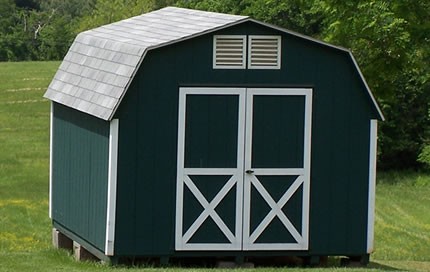
If you or your company are in need of building storage solutions, you may be considering investing in or purchasing a suitable building unit which will meet all of your needs. Storage buildings can be a great investment for companies or individuals who have large scale storage needs and wish to meet them with one comprehensive solution.
There are many different types of building storage units available to choose from, so it’s important that you have all the information about each type of storage building before you make a decision as to which one to invest in for yourself or your business. Some types of buildings are more suited to storing particular types of materials than others, while some are more secure than others and all are subject to variable pricing, depending on their size and the complexity of their design.
The amount you wish to invest in a building storage solution is entirely up to you, however with all the right information you will be able to make the best choice possible.
What Kinds of Building Storage Units Are Available?
The most common types of building storage units include:
- Metal Buildings
- Wooden Buildings
- Brick Buildings
Each particular type of building has its advantages and disadvantages, which will now be explored in more detail.
Metal Storage Buildings
Metal storage buildings are typically constructed out of steel, which is strong, durable, light and cost efficient. Not only do steel buildings provide you with cost effective storage at minimum impact to the environment, they’re also the perfect choice for individuals or companies who are looking for impermanent large scale storage solutions but who don’t want to compromise on quality. Steel buildings at 3cb.co.uk are a great example of the type of steel buildings which are available on the market right now; versatile and strong, they can be fully customised to suit your needs and are available with a range of pricing options.
The disadvantages of steel buildings are few and easily overcome. For example, steel – as a metal – is capable of conducting heat very quickly, which means that if you need temperature regulation you will have to include this in your purchase as an optional extra. However fitting steel buildings with insulation or double walls can be done at a relatively low cost.
Wooden Storage Buildings
Wooden storage buildings are not commonly suitable for individuals or companies who have large storage needs, but can be used efficiently for short term or personal storage. The main drawbacks of wooden storage buildings are the risks of mould, mildew, fire, damage or forced entry, which can be achieved (under the right circumstances) much more easily than would be possible with a steel building, for example.
The main benefit of wooden storage buildings is that there are many low cost models available on the market, and wooden buildings are aesthetically much more pleasing than metal buildings. However these advantages generally do not outweigh their disadvantages.
Brick Storage Buildings
The first thing to take account of when considering investing in a brick storage solution is that brick buildings tend to be more expensive than either their metal or wooden counterparts.
This cost arises in a number of different ways, from the necessity of a foundation upon which a brick structure must stand, to the permanence of the building and the investment opportunity which can be gained via purchase. So, whether you decide to rent or buy a brick storage structure, you’ll always find that costs will be higher than they would have been otherwise.
There are some advantages to choosing brick storage solutions ; brick is very hardwearing, energy efficient, conducts heat quite slowly and provides a good measure of security in terms of storage itself. However the initial outlay may be too much for some, particularly if your storage needs are more short term than long.








 If you want to contribute tutorials, news or other money-related stuff:
  Share our home building library with your facebook friends:
  Do you have any ideas or suggestions you would like to make?
  If you like what we do, please subscribe to our
  All content Copyright © 2012 SayBuild. Part of nBuy Home Management Network.