
Common Fence Installation Mistakes That Slow Down Crews
Written by publishingreporting@logicalposition.com // July 8, 2026 // Home Construction // Comments Off on Common Fence Installation Mistakes That Slow Down Crews
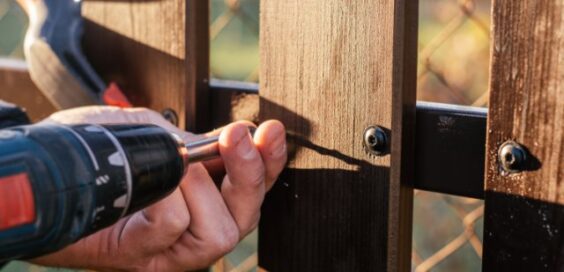
Fence installation can look straightforward during planning. But once on site, small errors can create delays that affect labor, material use, and schedule control.
Contractors and builders can reduce downtime by identifying fence installation mistakes that often slow crews down before they begin work. Strong preparation supports safer work, cleaner results, and fewer return visits.
Starting Without a Clear Layout
A fence crew needs a clear layout before digging starts. Missing measurements can lead to uneven spacing and misplaced posts. Crews should confirm property lines, gate locations, and utility markings before setting materials. A simple layout error can force post removal and extra concrete work.
The planning phase should also account for slopes and corners. These areas often create alignment issues when crews rush layout work.
Ignoring Soil and Site Conditions
Soil conditions affect post depth and stability. Loose soil, rocky ground, and wet areas can each require different installation methods. Crews should inspect the site before choosing digging tools and post support methods. Poor soil planning can slow drilling and weaken the finished fence.
Drainage also matters near fence lines. Standing water can complicate excavation and reduce long-term post performance.
Using the Wrong Tools
Tool choice affects speed on nearly every fencing task. Weak cutters and poor gripping tools can slow wire work and increase hand fatigue.
Crews should stock tools that match the fence material and fastener type. Having a basic knowledge of the fence pliers every installer needs can help teams prepare for cutting, pulling, twisting, and fastening tasks.
Tool checks should happen before crews leave the yard. Damaged pliers, dull cutters, and missing drill bits create avoidable downtime.
Ordering the Wrong Materials
Material errors can stop a crew before work gains momentum. Incorrect post sizes and mismatched fasteners can all delay installation. Builders should verify each order against the final fence plan. This includes gates, rails, caps, mesh, boards, screws, ties, and concrete.
Fence type also affects material needs. Contractors planning residential projects can review fence construction types for homes before finalizing scope and material lists.
Overlooking Crew Workflow
A crew can lose time when materials sit far from the work area. Poor staging creates extra walking and interrupts steady progress.
Better staging can support smoother installation through simple steps:
- Place posts near marked holes.
- Keep fasteners close to each work zone.
- Assign cutting and fastening tasks before work starts.
- Store tools in one visible location.
These steps help reduce confusion and repeated setup. Clear workflow also helps supervisors spot problems earlier.
Rushing Post Setting
Post setting controls the quality of the entire fence. Crews that rush this step often fight alignment problems later. Each post needs correct depth, spacing, and vertical position. Inconsistent post work can make rails, panels, and wire harder to install.
Concrete curing time also deserves attention. Moving too quickly can cause posts to shift before the fence gains full support.
Build Speed Through Better Preparation
Most fence installation mistakes that can cause delays come from weak planning rather than difficult work. Better layout control, tool selection, material checks, and workflow planning help crews stay productive.
A faster fence job starts before the first post hole. Contractors that prepare each phase can protect schedule time and improve finished quality.
Image Credentials: Евгения Рубцова, 477245896








 If you want to contribute tutorials, news or other money-related stuff:
  Share our home building library with your facebook friends:
  Do you have any ideas or suggestions you would like to make?
  If you like what we do, please subscribe to our
  All content Copyright © 2012 SayBuild. Part of nBuy Home Management Network.