
Choosing the Right Foundation for Your Home
Written by publishingreporting@logicalposition.com // June 30, 2026 // Home Construction // Comments Off on Choosing the Right Foundation for Your Home
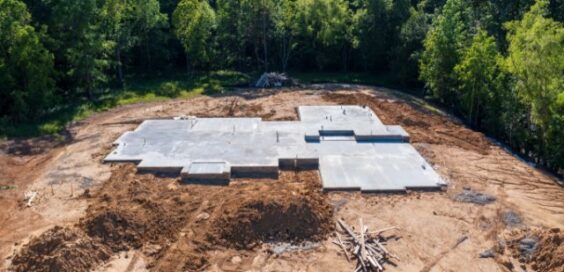
Building a new home involves countless decisions, yet choosing the right foundation for your home has one of the greatest impacts on how the finished structure performs. A foundation supports every part of your home above it, but its influence extends beyond structural stability. The right choice can affect maintenance and how well the home adapts to local conditions throughout the years. Homeowners should evaluate how a foundation fits the property where they plan to build before comparing upfront costs.
Let the Property Shape the Decision
The characteristics of a building site should guide foundation planning from the beginning. Soil that shifts easily behaves much differently than compact, stable ground, and a sloped lot presents challenges that a level parcel may never experience. Drainage patterns deserve equal attention because standing water can create problems that become more difficult to address once construction is complete.
Builders should carefully evaluate site conditions before approving final plans, especially when building a modular home on your land. Although manufacturers construct much of the home in a factory, builders create the foundation specifically for the property. Matching the design to local conditions creates a stable base while supporting long-term performance.
Compare Foundation Types in Context
Concrete slabs continue to be a common choice because they simplify construction and may reduce excavation work. They perform well in many climates, although repairs beneath the slab can require more effort if plumbing or utility lines need attention later. That tradeoff may be worthwhile on one property but less practical on another.
Crawl spaces offer easier access beneath the home, allowing maintenance crews to reach plumbing, electrical systems, and mechanical components without disturbing finished flooring. Basements require additional planning and excavation, yet many homeowners appreciate the extra living space they provide. Homeowners should base their foundation choice on the home’s intended use because each option offers different advantages.
Think About Life After Construction
Construction eventually ends, but a foundation continues working every day afterward. Seasonal weather and routine maintenance all influence how well it performs over the years. Considering those long-term factors during the planning stage creates a more balanced decision than focusing only on the initial construction budget.
Future renovations deserve consideration as well. Homeowners who expect to finish a basement, expand utility systems, or make other upgrades may benefit from choosing a foundation that provides greater accessibility. Thinking ahead during the planning stage can reduce complications if those projects become part of the home’s future.
Build With Confidence From the Ground Up
The process of choosing the right foundation for your home should reflect the property’s conditions just as much as the home’s design. A thoughtful decision provides a stronger starting point because every phase of construction depends on the stability below.
Taking time to understand how each foundation performs on your lot creates confidence throughout the building process. When the foundation matches the land and the home’s long-term needs, homeowners can move forward knowing the structure rests on a base designed to support it for decades.
Image Credentials: By Chad Robertson, #506003935








 If you want to contribute tutorials, news or other money-related stuff:
  Share our home building library with your facebook friends:
  Do you have any ideas or suggestions you would like to make?
  If you like what we do, please subscribe to our
  All content Copyright © 2012 SayBuild. Part of nBuy Home Management Network.