
How To Plan a Gate Within a Cable Railing System
Written by publishingreporting@logicalposition.com // September 14, 2026 // Construction Equipment // No comments
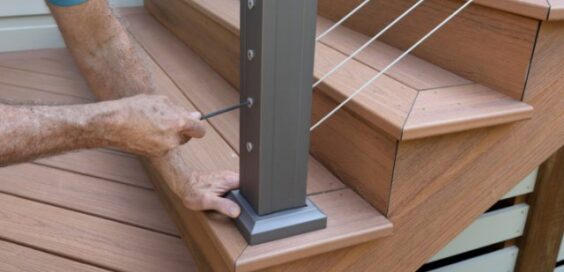
A gate may seem like a small detail in a deck railing. Add it after the layout is complete, though, and you can end up with awkward post spacing or crowded hardware.
Planning a gate within a cable railing system takes more coordination because the opening interrupts the fixed cable runs. The gate also needs room to move without interfering with stairs or nearby features.
A few decisions made now can help the builder create a gate that works smoothly and feels like a natural part of the design.
Including the gate in the original plan can also produce a more accurate estimate. The builder can account for the right posts and hardware before ordering materials.
Define the Gate’s Purpose
Before thinking about hardware, decide why the deck needs a gate. Some gates keep young children away from stairs. Others contain pets or control access from the yard.
Families should think about how a child-friendly deck works as a whole before settling on the gate location. The safest spot should also make sense for everyday use.
Think about how often people will use the opening and what must pass through it. Furniture or maintenance equipment may require more room than a person walking through.
Choose the Gate Location and Swing
Walk the normal route between the house and yard before placing the opening. If the deck has stairs, approach them from both directions. A gate that interrupts that path can quickly become frustrating.
Next, trace the gate’s full arc. It should not strike furniture or open into a grilling area. Make sure the gate will not block a narrow landing when it stands open.
There is no single swing direction that works for every deck gate. The best arrangement depends on the layout and applicable requirements. Ask the contractor to confirm the swing before finalizing the post locations.
Also look beyond the deck surface. Changes in grade or nearby landscaping can affect the approach to an exterior gate, especially where the deck connects directly to the yard.
Plan the Posts Beside the Opening
The two posts beside the opening have different responsibilities. One supports the hinges and the moving gate. The other receives the latch each time the gate closes. Both posts may also anchor the fixed cable sections.
Because these posts handle more than one job, they may differ from intermediate railing posts. Their material and attachment method must suit the gate as well as the surrounding railing. The builder should account for those needs before ordering the railing package.
Ask how the hinge post will resist movement over time. Also confirm that the latch post will remain aligned as the materials respond to weather. These answers can prevent a dragging gate or a latch that no longer lines up.
Map the Cable Termination Points
A gate creates a break in what might otherwise be one continuous railing run. The fixed cables usually need planned termination points on the posts beside that opening. If the gate uses cable infill, its cables form a separate part of the assembly.
Because the gate splits the railing into fixed sections, knowing how cable tensioners work makes it easier to discuss termination points and future adjustments with the contractor.
The design must also leave room to reach the end fittings. A hinge or latch should not block cable inspections or future tension adjustments. This detail matters even when the visible hardware looks compact.
Ask the contractor to mark where each run begins and ends on the railing plan. That quick review can reveal crowded fittings before they become difficult to relocate.
Match the Gate Frame and Hardware
The gate should look like part of the railing, not an add-on. Matching the frame material often creates the cleanest result, although a contrasting material can work if it suits the rest of the deck. Keep the finish and proportions consistent with the surrounding railing.
Choose hinges that can support the gate’s size and expected use. The latch should be easy for the intended user to operate while still serving the gate’s purpose. Use outdoor hardware rated for the conditions the deck faces.
Pay attention to small clearances around handles and fittings. A latch can look well placed on a drawing but feel cramped beside a cable terminal. Reviewing the actual hardware dimensions helps the builder avoid that conflict.
If the gate includes cable infill, compare its spacing and visual lines with the fixed railing. A consistent alignment helps the closed gate blend into the surrounding system.
Confirm Local Safety Requirements
A deck gate is still part of the railing when it is closed. It should not create a large gap or leave a loose component that reduces the barrier’s effectiveness.
Requirements can vary with the deck height and the gate’s location. Pool barriers may face additional rules. Local codes may also affect gate placement or the way it opens.
You do not need to interpret every code section on your own. Ask the contractor which requirements apply and who will confirm compliance. If the gate has a specific safety purpose, state it clearly in the project scope.
Prepare a Complete Gate Plan
Before the contractor orders materials, record the choices that affect the gate and surrounding railing. A short checklist is more useful than a general request to add a gate later. Include:
- The gate’s purpose and expected frequency of use
- The finished opening width
- The hinge side and preferred swing direction
- The latch location
- The posts that will border the opening
- The proposed cable termination points
- The gate-frame and infill materials
- Any safety requirements the contractor must verify
You do not need to select every fitting before the first conversation. The goal is to give the builder enough information to coordinate the framing and railing plans. The contractor can then recommend components that suit the final design.
Keep the approved plan with the rest of the project documents so the installer and homeowner are working from the same layout.
Approve the Gate Layout Before Construction
Working a gate into the cable railing plan early in the process helps it look intentional and operate properly. The posts can support their assigned jobs, and the hardware has room to function. Ultimately, a successful gate should feel like it has always belonged there. It should operate reliably while preserving the clean lines that make cable railing appealing.
Image Credentials: junej, 288796575







 If you want to contribute tutorials, news or other money-related stuff:
  Share our home building library with your facebook friends:
  Do you have any ideas or suggestions you would like to make?
  If you like what we do, please subscribe to our
  All content Copyright © 2012 SayBuild. Part of nBuy Home Management Network.