
Should Small Haulers Dedicate Trucks by Material?
Written by publishingreporting@logicalposition.com // September 21, 2026 // Construction Equipment // No comments
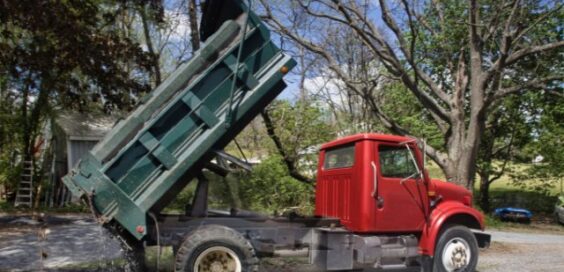
A truck returns from one job ready for another assignment, but the next customer needs a different material hauled. The owner has a choice: prepare the available truck or hold the job for equipment already assigned to that material. For a small operation, either option can disrupt the day.
Whether small haulers should dedicate trucks by material depends on the work they perform and how much capacity they can reserve. Dedicated equipment can simplify scheduling and remove some uncertainty between loads. Shared equipment gives dispatchers more room to respond when demand changes. The right setup comes from comparing those benefits against the costs each arrangement creates.
Measure Demand for Each Material
Start by reviewing how often each material moves through the business. A truck that carries the same aggregate almost every day has a clear purpose. Equipment reserved for an occasional job, however, may spend too much time parked. Dispatch records can show whether the volume is truly consistent or simply felt high during a few busy weeks.
Owners should also ask how dependable that demand is. A recurring contract provides a stronger reason to dedicate equipment than several unrelated jobs that arrived close together. Seasonal work deserves its own review. An assignment that makes sense during the busiest months may become inefficient once that work slows.
A dedicated truck does not have to run every hour to earn its place. Still, the consistency it provides should be worth the capacity it removes from the rest of the fleet. If the material cannot keep the truck reasonably active, a shared assignment may be the better starting point.
Calculate the Cost of Lost Flexibility
Dedicated equipment creates consistency, but it also limits where that equipment can go. If another truck goes down or a customer changes a delivery date, the reserved vehicle may be unable to fill the gap. That limit matters far more in a four-truck operation than it does in a fleet of 40.
Idle time tells only part of the story. An owner may also have to turn down a suitable job because the only available truck has been reserved. Compare the days when dedication prevents a scheduling problem with the days when it leaves workable jobs uncovered.
Look at the company’s workload over several months, not just its busiest stretch. An underused truck might still protect an important contract. On the other hand, an assignment that feels organized may be tying up equipment without producing a clear business benefit. The records should settle that question more reliably than making assumptions.
Count the Full Cost of Switching Loads
Shared equipment gives dispatchers more options, but each change between materials may create extra work. They must then remove any remaining material before the truck returns to service. Even a straightforward changeover can affect the next departure time.
Sharing a trailer creates more scheduling flexibility, but residue from a previous load can affect the next load when materials are incompatible. The real question is not simply whether a truck can carry both materials. Owners need to know whether their crew can complete the changeover reliably within the available time.
Track how long common changeovers take instead of treating them all alike. Record the labor involved and note any delays to the next job. That information gives the owner a fair comparison between the cost of sharing equipment and the cost of keeping it dedicated.
Consider Customer and Contract Requirements
Some assignments leave little room to change equipment. One recurring customer may require a particular truck condition. Another may care most about dependable turnaround times. Either expectation can influence the assignment decision, especially when the account provides steady work.
Before dedicating a truck, confirm which requirements come from the customer and which ones were developed inside the company. Employees may continue reserving equipment because “that is how it has always been done,” even after the original reason disappears. Check the contract first, then ask the customer to clarify anything that remains uncertain.
The account’s value matters as well. Reserving capacity can make sense when it protects reliable work that keeps the equipment productive. An occasional request deserves closer scrutiny if honoring it would prevent the truck from serving other customers.
Choose an Assignment Model
Most small haulers have three workable options, and the same model does not have to apply across the entire fleet.
- Use dedicated assignments when one material produces steady demand and preparation between loads routinely delays the next job.
- Use shared assignments when demand changes often and switching materials does not disrupt the schedule.
- Use a hybrid model when only part of the workload needs separation, leaving the remaining trucks available for varied work.
- Allow documented exceptions when an unusual scheduling need outweighs the normal rule and a manager approves the change.
A hybrid policy often works well for a small operation. The company might reserve one truck for its most consistent work while allowing the rest of the fleet to cover a broader mix of jobs. This approach protects some flexibility without treating every load as interchangeable.
Any model also needs a backup plan. If only one truck can serve a major customer, a mechanical problem could interrupt the account. Approving a second vehicle in advance keeps specialization from turning one breakdown into a larger service problem.
Put the Policy in Writing
An assignment strategy only works when dispatchers and drivers apply it the same way. A short written policy can identify which materials get dedicated equipment and which may share it. It should also explain who can approve an exception.
Keep the policy simple enough to use during a busy shift. A color-coded chart or a note in the dispatch system may work better than a long manual. The format matters less than giving employees one reliable source instead of asking them to remember an informal rule.
Record exceptions when they occur. If dispatchers keep working around the policy, the current setup may be too restrictive. If shared trucks repeatedly encounter changeover problems, the business may have a stronger case for dedicating more capacity.
Review the Decision as the Work Changes
Fleet assignments should change as the business does. A new contract can make dedicated equipment worthwhile almost overnight. A seasonal slowdown can have the opposite effect. Reviewing utilization and changeover records every few months keeps a temporary decision from becoming a permanent inefficiency.
Small haulers should dedicate trucks by material when consistency protects more value than the reserved capacity costs. When the numbers point in different directions, a shared or hybrid setup may serve the business better. A deliberate policy gives owners enough structure to make that choice without losing the flexibility a small fleet needs.
Image Credentials: Loren Biser, 1993358184







 If you want to contribute tutorials, news or other money-related stuff:
  Share our home building library with your facebook friends:
  Do you have any ideas or suggestions you would like to make?
  If you like what we do, please subscribe to our
  All content Copyright © 2012 SayBuild. Part of nBuy Home Management Network.