
Factors To Consider Before Installing a Pool
Written by publishingreporting@logicalposition.com // August 19, 2026 // Swimming Pool // Comments Off on Factors To Consider Before Installing a Pool
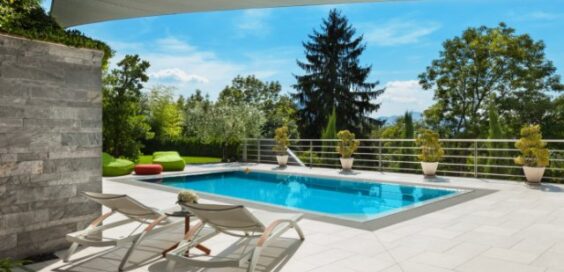
Adding a swimming pool can transform how you use your backyard and create space for recreation. However, a pool is a property improvement that affects your budget and ongoing responsibilities. Thinking through the factors to consider before installing a pool can help you choose a design that fits your household instead of creating problems later. Before construction begins, consider how the pool will function, what ownership will require, and whether the finished project will complement your property over time.
Your Available Backyard Space
Start by evaluating how much usable space your property offers. A large backyard may accommodate a spacious pool while leaving room for a patio or lawn. A smaller yard may require a compact design that uses the available area efficiently. The pool should feel integrated into the property rather than overwhelming it.
Consider more than the pool’s dimensions. Construction crews need access to the site, and the finished area needs enough space for safe movement around the water. Existing landscaping, utility lines, drainage patterns, and property boundaries can also influence placement. Careful planning helps you understand what your yard can realistically support before you settle on a shape or size.
The Purpose of Your Pool
Think about how your household expects to use the pool. A family focused on casual swimming may have different priorities than someone who wants a pool for exercise. Homeowners who enjoy entertaining may prefer generous deck space and features that make the pool area comfortable for guests.
Your intended use can guide decisions about depth, shape, entry points, and surrounding features. It can also prevent you from paying for additions that offer little practical value. When the design reflects your everyday needs, the pool is more likely to become a useful part of your home rather than an impressive feature that you rarely use.
Your Total Project Budget
The installation price represents only part of the financial commitment. Your budget should account for site preparation, the pool itself, and the surrounding finished area. Complicated excavation conditions or limited construction access can affect project costs before crews even begin building the pool.
You should also plan for expenses after installation. Water, energy use, routine cleaning, repairs, and replacement equipment can add to the long-term cost of ownership. Creating a realistic budget gives you room to make informed choices without stretching your finances unnecessarily. It also helps you compare materials or features based on their total value instead of focusing only on the initial price.
Ongoing Maintenance Requirements
Every pool requires regular care to keep the water clean and the equipment working properly. Maintenance may involve checking water chemistry, removing debris, cleaning surfaces, and inspecting filtration equipment. The amount of work can vary depending on the pool type, surrounding landscape, climate, and equipment you choose.
Consider how much time you want to spend handling these responsibilities yourself. Professional pool service can reduce the workload, but it adds another recurring expense. Automated equipment may also simplify certain tasks. Understanding the maintenance commitment beforehand can help you select a pool system that matches your schedule and expectations.
Safety Around the Pool Area
Safety should influence the layout from the beginning. Local rules may require barriers, gates, alarms, or other protective measures depending on where you live. Even if the law does not require a feature, thoughtful planning reduces risks for household members and visitors.
The area around the water deserves attention as well. Choose surfaces that provide dependable footing when wet and maintain clear paths around the pool. Lighting can improve visibility during evening use. If children or pets will regularly use the backyard, consider how you can control access to the pool area when an adult is not actively supervising the space.
Local Permits and Property Rules
Pool construction often requires permits and inspections. Local regulations may establish setbacks from property lines or place restrictions on fencing and electrical work. Homeowners associations may have additional rules that affect pool placement or appearance.
Research these requirements before finalizing your plans. A qualified pool contractor may help navigate the approval process, but you should still understand the restrictions that apply to your property. Addressing regulatory issues early can prevent design changes or construction delays after you have already committed to a project.
Pool Type and Construction Material
Different pool types offer different advantages. In-ground options may use concrete, fiberglass, or vinyl systems, while above-ground designs provide another approach for certain properties and budgets. Each option differs in installation process, customization potential, maintenance needs, and expected longevity.
Think about which characteristics matter most for your home. A highly customized shape may point toward one construction method, while faster installation may make another more appealing. Rather than choosing based on appearance alone, consider how the material will perform in your climate and how much upkeep it may require over the years.
Energy Use and Equipment Choices
Pumps, heaters, lighting, and filtration systems affect how the pool operates after construction. Efficient equipment can help manage energy consumption while supporting comfortable water conditions. Equipment size should also match the pool so the system can operate effectively without unnecessary strain.
How the Pool Fits Your Property
A well-designed pool should complement the home and surrounding landscape. Consider sightlines from windows, access from the house, and how the pool relates to existing outdoor areas. The right placement can make the backyard feel cohesive and improve how easily people move between indoor and outdoor spaces.
A pool can increase your home’s property value in some markets, but financial return should not be the only reason for installation. Buyer preferences vary, and future owners may evaluate pools differently. Focus first on creating an outdoor feature that works for your household while considering how the design may affect the property’s broader appeal.
Choosing the Right Pool Contractor
The contractor you select can influence the quality of the finished pool and the overall construction experience. Look for a company that communicates clearly, explains the project scope, and provides detailed information about warranties. Ask how the contractor handles permitting, scheduling, site preparation, and changes that arise during construction.
Plan for a Pool That Fits Your Home
Installing a pool is a significant decision that deserves careful preparation. Reviewing the factors to consider before installing a pool allows you to balance the excitement of a new backyard feature with the realities of construction and ownership. Think about how the pool will serve your household, how it will fit the property, and what it will require after installation. A thoughtful plan can help you choose a pool that feels appropriate for your space and remains enjoyable for years to come.
Image Credentials: By alexandre zveiger, 90446020





 If you want to contribute tutorials, news or other money-related stuff:
  Share our home building library with your facebook friends:
  Do you have any ideas or suggestions you would like to make?
  If you like what we do, please subscribe to our
  All content Copyright © 2012 SayBuild. Part of nBuy Home Management Network.