
Concrete Problems That Slow a Home Build Down
Written by publishingreporting@logicalposition.com // June 10, 2026 // Home Construction // Comments Off on Concrete Problems That Slow a Home Build Down
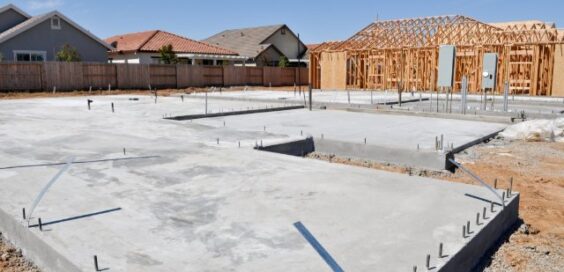
When you plan around the concrete problems that slow a home build down, you protect much more than the construction schedule. You also help control costs and improve the overall quality of the finished home. Because concrete work occurs early in most residential projects, any setback during this stage can affect every contractor scheduled to work afterward. Both homeowners and builders benefit from understanding the most common causes of these concrete-related delays.
Site Prep Needs Attention
Concrete crews need a stable foundation before they can install forms or move forward with a pour. Ground conditions play a major role in the slab’s success. If the soil contains weak spots or has not been compacted properly, the slab may shift over time.
Crews sometimes discover these issues after work has already begun, forcing them to spend additional time correcting them. Builders who evaluate and prepare the site early are far less likely to encounter delays before construction becomes visible.
Weather Pushes the Schedule Around
The weather directly impacts concrete performance and project timing. Heavy rain can leave a prepared site unusable and force crews to postpone a scheduled pour. Cold temperatures may also slow the curing process and affect the strength of the finished concrete.
Excessive heat, on the other hand, can create a different challenge by causing moisture to evaporate too quickly during finishing. Builders who monitor weather conditions carefully can make better decisions about when to pour and how to protect the concrete afterward.
Pour Timing Affects Everything Afterward
Concrete installation requires patience and careful execution. Even when there is pressure to move the project forward, crews must allow enough time for proper placement and finishing. The curing process is equally important because concrete gains strength gradually. When a slab is rushed through any stage of the process, the result may include cracking or alignment issues that affect later construction. Taking the necessary time during this phase often prevents larger delays and repairs later in the project.
Slab Handling Requires a Careful Plan
Some construction projects require concrete sections to be moved or lifted during repairs or adjustments. This type of work requires careful planning because concrete can be damaged if handled incorrectly. Even a small mistake may create cracks or cause the slab to shift from its intended position.
Builders who focus on preventing damage during slab lifting reduce the likelihood of costly repairs and schedule disruptions. Success depends on using the right equipment and ensuring that experienced professionals oversee the process.
Better Planning Builds a Stronger Start
Concrete challenges are a normal part of residential construction because every building site presents unique conditions. The key is identifying potential problems before they affect the overall timeline. Builders who prepare thoroughly and address risks early create a stronger foundation for the entire project. Homeowners who understand the concrete problems that slow a home build down are also better equipped to manage expectations and make informed decisions when delays occur.
Image Credentials: bbourdages, 25267368








 If you want to contribute tutorials, news or other money-related stuff:
  Share our home building library with your facebook friends:
  Do you have any ideas or suggestions you would like to make?
  If you like what we do, please subscribe to our
  All content Copyright © 2012 SayBuild. Part of nBuy Home Management Network.