
How To Choose the Right Roofing Design for Your New Home
Written by publishingreporting@logicalposition.com // November 23, 2026 // Roof // No comments
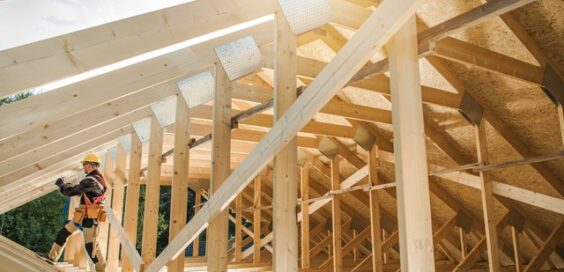
Building a new home gives you the opportunity to make important decisions about its appearance and functionality. Your roof plays a significant role in both, influencing everything from architectural character to long-term maintenance requirements. Understanding how to choose the right roofing design for your new home helps you balance visual appeal with practical performance. Different roof styles offer unique advantages depending on your property’s location and overall construction plans. Before finalizing your design, consider how various roofing options complement your home’s structure while providing dependable protection against the elements. Careful planning now can prevent expensive modifications later.
Consider Your Home’s Architectural Style
Your home’s architectural style should guide your roofing decisions. A roof that complements the building’s proportions creates a cohesive appearance and enhances curb appeal. Choosing a design that clashes with the surrounding architecture can make even an attractive home feel visually unbalanced.
Traditional homes often feature gable roofs with recognizable triangular shapes. Contemporary properties may incorporate flat or low-slope designs that emphasize clean lines. Craftsman homes frequently use multiple rooflines to create visual interest.
Pay attention to how your preferred design interacts with exterior features. Roof pitch influences the appearance of windows and entryways. Working with your architect helps ensure the finished roof supports your home’s overall aesthetic without compromising structural integrity.
Evaluate Your Local Climate
Weather conditions significantly influence how well different roofing designs perform. Choosing a style that accommodates your regional climate can reduce maintenance demands and protect your investment.
Homes in areas with heavy snowfall often benefit from steeper roof pitches. These designs encourage snow to slide downward rather than accumulate on the surface. Reducing excessive snow buildup helps limit structural stress during harsh winters.
Regions that experience frequent storms require careful consideration of wind resistance. Hip roofs feature slopes on every side, which can help them withstand strong winds when builders install appropriate structural connections.
Hot climates introduce different challenges. Roof designs that accommodate ventilation can help regulate attic temperatures and reduce unnecessary heat buildup. Consider local weather patterns before committing to a particular roof configuration.
Understand Different Roof Shapes
Roof shape affects both appearance and functionality. Familiarizing yourself with common designs makes comparing options easier.
Gable roofs remain popular because their straightforward construction supports efficient water drainage. Their recognizable shape also works well with many traditional architectural styles.
Hip roofs offer a more enclosed appearance with slopes extending toward every exterior wall. Although their construction typically requires additional planning, their shape can provide practical advantages in windy environments.
Shed roofs feature a single sloping surface that creates a distinctive contemporary appearance. This design works particularly well for modern homes with minimalist architecture.
Flat roofs offer another contemporary option, although they require adequate drainage systems. Even seemingly level roofs need sufficient slope to direct water toward designated outlets.
Choose Roofing Materials Carefully
The material covering your roof influences its durability and overall appearance. Different products also introduce varying installation requirements and maintenance expectations.
Asphalt shingles remain a familiar choice for residential construction because they offer versatility at accessible prices. Homeowners comparing the pros and cons of asphalt shingle roofing should consider their relatively straightforward installation alongside their expected lifespan.
Metal roofing provides another option for homeowners seeking long-term durability. Manufacturers offer panels in various finishes, allowing homeowners to coordinate roofing materials with exterior design preferences.
Clay and concrete tiles create distinctive appearances that complement certain architectural styles. However, their considerable weight requires appropriate structural support.
Discuss material compatibility with your roofing contractor before making a final selection. Some products work better with particular roof slopes than others.
Account for Your Roofing Budget
Roofing expenses extend beyond the initial cost of materials. Installation complexity and future maintenance requirements also influence the overall investment.
Simple roof shapes generally require fewer complicated construction details. Designs featuring numerous intersections or unusual angles often demand additional labor. These features can increase installation expenses even when homeowners select relatively affordable materials.
Consider how your preferred roofing system will perform over time. A less expensive initial installation may eventually require more frequent repairs or earlier replacement. Higher upfront costs sometimes provide worthwhile value through longer service life.
Request detailed estimates from qualified roofing contractors before finalizing your plans. Comparing estimates helps identify differences in materials and installation methods.
Plan for Proper Drainage
Effective drainage protects your roof and surrounding structure from moisture problems. Water that collects in vulnerable areas can eventually damage roofing components.
Steeper roof slopes generally encourage water to move downward quickly. However, roof valleys and intersections require careful detailing to prevent moisture intrusion.
Gutters and downspouts also deserve attention during the design process. Their placement should direct rainwater away from your home’s foundation without interfering with exterior features.
For low-slope roofs, drainage planning becomes especially important. Your contractor may recommend specialized membranes and appropriately positioned outlets to prevent standing water.
Think About Attic Space and Ventilation
Your roof design influences the amount of usable space beneath its structure. Certain shapes create generous attic areas, while others limit overhead clearance.
Steeper gable roofs can provide additional storage opportunities. Some homeowners incorporate finished rooms beneath these rooflines when local building requirements permit.
Ventilation also matters when planning an attic. Proper airflow helps manage moisture and reduces excessive heat accumulation during warmer months.
Your architect should coordinate roof geometry with insulation requirements. This approach supports indoor comfort while protecting structural components from moisture-related deterioration.
If you anticipate converting attic space later, discuss those plans before construction begins. Early preparation can simplify future improvements.
Consider Future Home Improvements
Your roofing design should accommodate potential changes to your property. Planning ahead can prevent unnecessary complications when your household needs evolve.
For example, homeowners interested in solar panels should evaluate roof orientation and available surface area. Large sections with minimal obstructions can make future solar installations easier.
You might also consider potential home additions. Complicated rooflines can make expansion projects more challenging because contractors must connect new structures to existing surfaces.
Discuss your long-term goals with your builder. A flexible roofing design can support future improvements without requiring extensive reconstruction.
Make a Confident Roofing Decision
Understanding how to choose the right roofing design for your new home allows you to create a structure that complements your property while delivering reliable protection. Consider architectural compatibility alongside climate demands before comparing available materials. Evaluate installation expenses and long-term maintenance expectations to make informed decisions. Working closely with experienced roofing professionals helps you identify practical solutions that suit your construction plans. With thoughtful preparation, your new roof can enhance your home’s appearance and provide dependable performance for years to come.
Image Credentials: By Tomasz Zajda, 384881826





 If you want to contribute tutorials, news or other money-related stuff:
 Share our home building library with your facebook friends:
 Do you have any ideas or suggestions you would like to make?
 If you like what we do, please subscribe to our
 All content Copyright © 2012 SayBuild. Part of nBuy Home Management Network.