
6 Roofing Considerations for Off-Grid Homes
Written by SayBuild-admin // September 24, 2025 // Roof // Comments Off on 6 Roofing Considerations for Off-Grid Homes
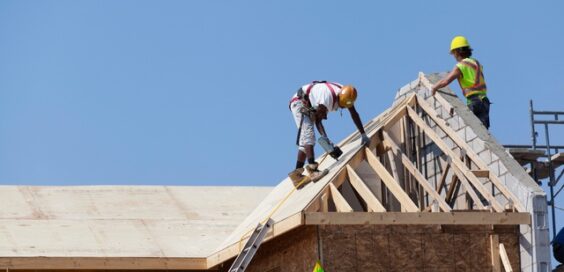
Building an off-grid home means embracing self-reliance, and your roof plays a role. With no municipal utilities to rely on, your roof must withstand any environmental stress.
Here are six roofing considerations for off-grid homes that help you make smart choices for durability, efficiency, and long-term value.
1. Material Performance by Climate
Finding the best roofing materials for off-grid homes means balancing durability with local weather patterns. This choice reduces the chance of early repairs and protects the home’s energy efficiency, which is crucial for off-grid living.
Metal roofing performs well in humid or salty environments, resisting corrosion better than traditional asphalt shingles. In snowy regions, materials that can withstand heavy loads, such as standing seam metal or slate, provide superior protection against structural damage. And if you live in a hot, dry area, UV-resistant coatings on metal or tile roofs extend lifespan by preventing sun damage.
2. Weight and Structural Load
Understanding your home’s framing limits is vital. Selecting a roof that fits the load capacity avoids costly reinforcements and potential structural issues down the line.
Heavy roofing materials, such as concrete tiles that can weigh up to 12 pounds per square foot, might require additional support. Conversely, metal roofs weigh about 1.5 pounds per square foot and place less strain on the structure. So, for any off-grid home, you should consider alternative framing like timber or structural insulated panels to support said load.
3. Solar Integration Options
Since many off-grid homeowners generate their own electricity, solar compatibility should be a key factor in roofing decisions. Roofs with a slope and orientation that optimize sun exposure improve solar panel efficiency.
Additionally, roofing systems that allow secure, noninvasive mounting options protect the roof’s integrity and simplify installation. Look for solar-ready roofing options that ensure your roof supports your energy system without compromising durability or adding complexity.
4. Rainwater Collection Compatibility
Many off-grid homes rely on rainwater harvesting, so roofing materials must be safe for water collection. Asphalt shingles tend to shed granules that can contaminate water, making them less ideal. Metal or tile roofs, however, provide cleaner runoff with minimal leaching.
5. Roof ROI
Certain features directly impact whether a roof pays off in the long term. For example, a metal roof may cost more upfront but can last 30 to 70 years, reducing replacement costs over time. Similarly, choosing a reflective material in hot climates may lower indoor temperatures and reduce solar system loads.
These are just two factors to consider when discussing the ROI of a new roof, especially for off-grid homes where every system—power, water, heating—is tied to roof performance. Prioritizing long-term value over short-term savings can lead to better outcomes across the board.
6. The Need for Quality Underlayment
A final detail often overlooked is the roofing underlayment. Synthetic underlayments offer better waterproofing and durability than traditional felt, lowering the risk of leaks in harsh weather. For off-grid homes, investing in high-quality underlayment complements your roofing choices, increasing overall protection.
When planning your build, keep these six roofing considerations for off-grid homes in mind. The right roof supports your independence and keeps your home secure for years to come.
Image Credentials: By COSPV, 260071092




 If you want to contribute tutorials, news or other money-related stuff:
  Share our home building library with your facebook friends:
  Do you have any ideas or suggestions you would like to make?
  If you like what we do, please subscribe to our
  All content Copyright © 2012 SayBuild. Part of nBuy Home Management Network.