
What New Home Builders Should Know About Weatherproofing
Written by publishingreporting@logicalposition.com // November 22, 2026 // Home Construction // No comments
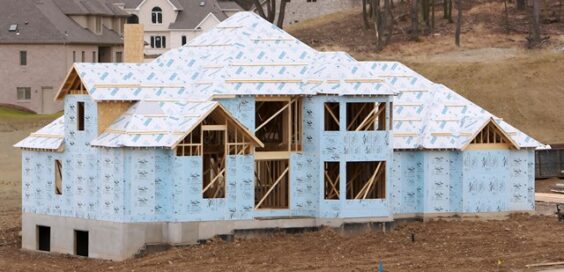
Building a new home involves many decisions, from choosing the right floor plan to selecting durable exterior materials. However, protecting the structure against changing weather conditions deserves just as much attention. Rain, snow, wind, and humidity can gradually damage building materials when moisture protection is inadequate.
Understanding what new home builders should know about weatherproofing helps prevent expensive repairs while improving comfort, energy efficiency, and structural durability. Effective weather protection involves more than installing quality siding or roofing; every exterior component must work together to keep moisture out while allowing the structure to dry properly.
Why Weatherproofing Matters During Construction
Weatherproofing helps protect a home’s structural components from moisture intrusion, air leaks, and temperature changes. Without adequate protection, water can penetrate exterior walls, damage insulation, weaken wooden framing, and encourage mold growth. Air leaks also increase energy costs by allowing heated or cooled air to escape.
These problems often develop in concealed areas, making them difficult to identify until significant damage occurs. Addressing potential vulnerabilities during construction is easier and less expensive than repairing them after the home is finished.
Weatherproofing requirements also vary depending on location. Homes in northern climates must withstand snow and freezing temperatures, while properties in warmer regions may experience heavy rainfall and high humidity. Builders should consider local weather patterns, site conditions, and building codes when planning protection measures.
Start With Proper Foundation Drainage
Effective weather protection begins at the foundation because water accumulating around a home can eventually penetrate below-grade walls. Poor drainage may contribute to basement leaks, damp crawl spaces, and long-term deterioration of foundation materials.
Builders should grade the surrounding property so surface water flows away from the structure. Gutters and downspouts should also direct rainwater toward appropriate drainage areas rather than allowing it to collect beside foundation walls.
Depending on the property’s soil conditions and groundwater levels, additional protection may include waterproofing membranes, drainage boards, or footing drains. Waterproofing provides greater resistance to liquid water than basic dampproofing, making the appropriate choice particularly important for basements exposed to significant moisture.
Install House Wrap Correctly
House wrap is an important part of a home’s exterior moisture protection system. Builders typically install this material over wall sheathing and beneath siding to manage water that reaches the area behind exterior cladding. Many house wraps also allow water vapor to pass through, helping properly designed wall assemblies dry. However, their effectiveness depends on correct installation, particularly around seams, fasteners, and openings.
Builders should follow manufacturer instructions for overlapping sections, securing materials, and sealing seams. Overlaps should direct water downward and outward, preventing moisture from traveling behind the protective layer. Using appropriate fasteners and spacing also keeps the material securely attached during construction. Following established house wrap installation practices can help builders avoid common attachment and installation mistakes that compromise the protective barrier.
Special attention should also be given to windows, doors, vents, and plumbing penetrations. These openings require compatible flashing and sealing materials that integrate with the surrounding weather-resistant barrier. Proper detailing directs water outside rather than allowing it to collect within wall cavities.
Protect the Roof Against Water Intrusion
The roof provides a major defense against rain, snow, and severe weather, but roofing materials alone cannot prevent every leak. A reliable roofing system also requires appropriate underlayment, flashing, and installation methods.
Builders should select roofing materials based on regional conditions, roof design, and expected exposure. Asphalt shingles and metal roofing offer different advantages, while areas experiencing heavy snowfall may require additional protection against ice dams.
Flashing is particularly important around chimneys, skylights, valleys, and roof-to-wall intersections, as these areas experience increased exposure to water, making proper installation essential for preventing leaks. Roof underlayment adds another protective layer beneath the primary roofing material. Builders should follow manufacturer requirements and local building codes to ensure these components work together effectively.
Seal Windows and Exterior Doors
Windows and exterior doors create potential entry points for moisture and unwanted airflow. Even small installation gaps can cause drafts, reduce indoor comfort, and expose surrounding framing to water damage.
Builders should use correctly sized openings, compatible flashing systems, and appropriate sealants to create reliable connections between windows, doors, and exterior walls. Sill pans are especially useful because they collect and redirect water that reaches the bottom of an opening. Exterior caulking provides additional protection but should never replace properly installed flashing. Choosing energy-efficient windows suited to the local climate can further improve indoor comfort and reduce heating and cooling demands.
Combine Insulation With Air Sealing
Insulation and air sealing serve different purposes, but both contribute to a comfortable and durable home. Insulation slows heat transfer, while air sealing reduces airflow through gaps in the building enclosure.
Common leakage points include attic penetrations, framing connections, electrical openings, and joints between different building materials. Builders should address these areas using suitable sealing products before installing interior finishes.
Moisture management must also be considered when selecting insulation and vapor barriers. Materials should match the climate and wall assembly because an incorrectly placed vapor barrier may trap moisture and interfere with drying.
Plan for Ventilation and Moisture Control
A well-sealed home still needs adequate ventilation to manage indoor humidity and maintain healthy air quality. Cooking, bathing, laundry, and everyday household activities introduce moisture that can accumulate without proper airflow.
Bathroom exhaust fans, kitchen ventilation, and appropriately designed whole-house ventilation systems help remove excess humidity. Attic and crawl-space ventilation should also match the building design and applicable codes. Balancing ventilation with insulation and air sealing helps reduce condensation risks while maintaining comfortable indoor conditions.
Inspect Weatherproofing Before Finishing Construction
Many important weatherproofing details become difficult to access once drywall, siding, and other finishes are installed. Builders should inspect house wrap seams, flashing connections, roof penetrations, and window openings before covering these areas.
They should also verify that materials meet manufacturer requirements and local building codes. Blower door testing can identify air leakage, while enclosure inspections can reveal potential moisture-control problems.
Build for Long-Term Protection
Successfully weatherproofing a new home requires thoughtful planning, compatible materials, and careful installation throughout construction. Foundation drainage, house wrap, roofing, insulation, and properly sealed openings must function as a connected protective system.
By addressing moisture management, ventilation, and exterior detailing before construction is complete, builders reduce the risk of hidden damage and expensive repairs. These precautions create a comfortable, energy-efficient home capable of handling changing weather conditions.
Image Credentials: By Robert Pernell, 376257








 If you want to contribute tutorials, news or other money-related stuff:
 Share our home building library with your facebook friends:
 Do you have any ideas or suggestions you would like to make?
 If you like what we do, please subscribe to our
 All content Copyright © 2012 SayBuild. Part of nBuy Home Management Network.