
Why Equipment Identification Matters in Home Construction
Written by publishingreporting@logicalposition.com // November 12, 2026 // Construction Equipment // No comments
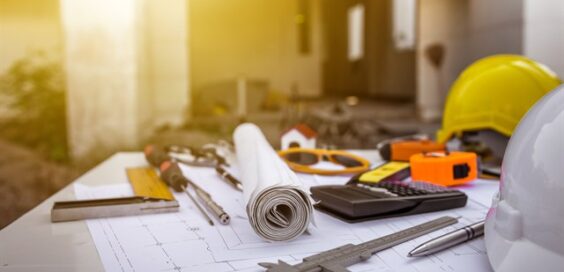
Building a home requires careful planning, from choosing materials to hiring contractors and installing essential systems. With so many moving parts, staying organized can make the entire process easier.
One detail homeowners often overlook is equipment identification. Clear labels and nameplates help builders manage equipment, track important information, and simplify future maintenance. Whether you're building your first home or managing residential construction projects, understanding equipment identification can help you make smarter decisions.
Keep Your Home Construction Project Organized
A home construction site can get busy quickly. Electricians, plumbers, HVAC technicians, and other contractors often work on different parts of the house at the same time. Proper equipment identification helps everyone stay organized. Labels make it easier to recognize tools, machinery, and installed systems without unnecessary confusion.
If you're building a home, ask your contractor how they organize equipment and track important installation details. A consistent system can help reduce mistakes and keep the project moving.
You should also include major equipment selections in your home's specification plan. This document helps communicate your expectations to contractors before construction begins.
Make Safety a Priority During Construction
Safety should always come first when building a home. Construction workers regularly use power tools, electrical equipment, and heavy machinery that require careful handling.
Clear equipment labels help workers identify operating instructions, electrical ratings, and other important specifications. These details allow trained professionals to check equipment requirements before starting work.
As a homeowner, you don't need to understand every technical specification. However, you should feel comfortable asking your builder about their safety procedures. Look for contractors who maintain organized work areas, use properly identified equipment, and follow established construction safety practices.
Understand the Importance of Equipment Nameplates
You might associate industrial nameplates with factories, but they also play an important role in residential construction. Many household systems include identification plates that display essential equipment information. You'll often find them on HVAC units, electrical equipment, generators, and water heaters.
These plates typically include model numbers, serial numbers, and manufacturer specifications. Contractors use this information when installing equipment, ordering replacement parts, or completing repairs. Learning about the reasons industrial nameplates matter today can help you understand how durable identification supports equipment maintenance and long-term reliability.
Before moving into your new home, ask your builder to show you where these identification plates are located. Knowing where to find them can save time when you need professional service.
Plan Ahead For Home Maintenance
Your responsibilities don't end when construction finishes. Every home needs regular maintenance to keep its essential systems working properly.
Heating and cooling equipment, water heaters, and electrical systems all require occasional inspections or servicing. Keeping their identification information accessible makes these tasks easier. For example, an HVAC technician may need your system's model number to find compatible replacement parts. A readable equipment label helps them identify the correct components.
Ask your builder to provide a list of major installed systems, including model numbers, warranties, and maintenance recommendations. Store this information in a digital folder or home maintenance binder. You'll appreciate having everything organized when repairs become necessary.
Choose Equipment Built For Long-Term Use
When selecting equipment for your new home, think beyond the initial purchase price. Durability, maintenance requirements, and long-term performance should also influence your decisions.
Outdoor equipment faces rain, sunlight, and changing temperatures. Even equipment installed in garages or basements may experience moisture and temperature fluctuations. These conditions can damage poorly made labels and make important information difficult to read.
Look for equipment with durable identification plates designed for its operating environment. Materials such as aluminum and stainless steel can provide reliable identification in many applications.
You should also compare equipment warranties and maintenance requirements before making a final decision. Choosing dependable equipment now can help you avoid unnecessary complications later.
Communicate Clearly With Your Home Builder
Good communication makes the home-building process less stressful. Your contractor should explain important decisions and help you understand the systems installed throughout your house.
Equipment identification can make these conversations easier. Instead of describing a unit by its appearance, you can reference its exact model or serial number.
During your final walkthrough, ask your builder to identify the home's major mechanical and electrical systems. Find out where each system is located, how it operates, and when it needs professional maintenance. You should also request copies of equipment manuals and warranty documents. These resources will help you manage your home after construction ends.
Organize Your Home's Important Documents
Building a home involves plenty of paperwork. You'll likely collect construction plans, contracts, warranties, inspection reports, and equipment manuals throughout the project.
Keeping these documents organized makes future home maintenance much easier. Create a dedicated digital folder for your home's important records. Include equipment model numbers, installation dates, warranty information, and maintenance schedules. You can also keep a printed binder if you prefer having physical copies.
Make sure the information matches the equipment installed in your home. Accurate records help contractors identify systems quickly when repairs or replacements become necessary. If you eventually sell your property, organized documentation can also help the next homeowner understand its major systems.
Build a Home That's Easier To Maintain
A successful home-building project involves more than choosing attractive finishes and creating a comfortable layout. You also need to consider how your home will function over time. Proper equipment identification helps builders stay organized and gives homeowners easier access to important system information.
Before construction wraps up, check that your major household systems have readable identification labels. Ask your contractor to explain where to find equipment specifications and maintenance documents.
Taking these simple steps now can make future repairs, inspections, and routine maintenance much easier. With thoughtful planning and clear communication, you can build a home that's not only comfortable but also easier to care for.
Image Credentials: By amnaj, 204279495



 If you want to contribute tutorials, news or other money-related stuff:
 Share our home building library with your facebook friends:
 Do you have any ideas or suggestions you would like to make?
 If you like what we do, please subscribe to our
 All content Copyright © 2012 SayBuild. Part of nBuy Home Management Network.