
What To Consider When Handling Residential Building Materials
Written by publishingreporting@logicalposition.com // October 23, 2026 // Construction Materials // No comments
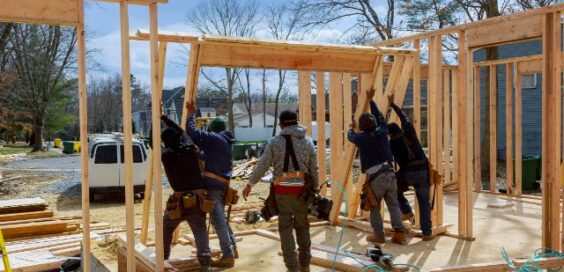
Building a home involves more than selecting quality materials and hiring skilled contractors. Knowing how to transport, store, and handle construction supplies is equally important for keeping the project safe and organized.
From heavy concrete blocks and lumber to sharp metal sheets and fragile glass, different materials present unique challenges. Improper handling can lead to injuries, damaged supplies, unexpected expenses, and construction delays. Whether you’re building a new home or managing a renovation, understanding what to consider when handling residential building materials can help you protect your investment and maintain a safer working environment.
Understand the Properties of Different Building Materials
Every construction material has characteristics that influence how it should be handled. Weight, dimensions, durability, and sensitivity to environmental conditions all affect the precautions needed during transportation, storage, and installation.
For example, lumber can splinter or warp when exposed to moisture, while drywall can crack if carried or supported incorrectly. Metal sheets may have sharp edges, and concrete blocks require careful lifting because of their weight.
Before moving any material, consider its physical properties and check the manufacturer’s handling recommendations. Understanding these requirements prevents damage and allows workers to choose appropriate equipment for each task.
Wear Proper Personal Protective Equipment
Personal protective equipment (PPE) plays an important role in reducing injuries during residential construction. Workers regularly encounter sharp objects, rough surfaces, falling materials, and airborne particles, making suitable protection essential.
Gloves are particularly important when handling lumber, sheet metal, glass, and other materials with potentially hazardous edges. For example, workers should know that cut-resistant gloves provide additional hand protection when working with sharp construction components. However, gloves should be selected according to the task, with attention to grip, fit, and protection ratings.
Safety glasses protect eyes against flying debris, while protective footwear reduces the risk of injuries from dropped objects. Hard hats may also be necessary where overhead hazards exist. When cutting, sanding, or handling dusty materials, use appropriate dust controls and respiratory protection when required. Selecting PPE based on actual hazards provides better protection than relying on the same equipment for every task.
Practice Safe Lifting and Carrying Techniques
Lifting heavy or awkward building materials incorrectly can cause muscle strains, back injuries, and accidents. These risks increase when workers carry supplies across uneven surfaces, through narrow spaces, or around construction debris.
Before lifting, assess the object’s weight, check your surroundings, and identify a clear route. Keep the load close to your body, maintain stable footing, and avoid twisting while carrying heavy objects.
Mechanical equipment can make material handling safer and more efficient. Hand trucks and dollies help transport bulky supplies, while panel carriers make moving drywall and plywood easier. Material lifts may also be appropriate for certain installation tasks.
For oversized or particularly heavy items, arrange assistance or use suitable lifting equipment operated by trained personnel. Planning each movement reduces physical strain and the likelihood of damaging materials.
Store Construction Materials Properly
Proper storage protects building supplies from damage and helps maintain their quality. Moisture, direct sunlight, unstable stacking, and extreme temperatures affect materials differently, so storage conditions should reflect each product’s requirements.
Lumber should generally be kept on level supports above the ground, with suitable protection from moisture and adequate ventilation. Drywall requires a dry location and proper support to prevent bending or breakage. Heavy materials, including bricks and concrete blocks, should be stacked securely on stable surfaces. Avoid creating excessively high piles or placing heavy supplies near excavation edges where ground conditions may be unstable.
Products such as insulation, adhesives, sealants, and flooring may have specific temperature or humidity requirements. Following manufacturer instructions preserves product performance and prevents unnecessary replacement costs.
Plan Deliveries and Material Movement
Coordinating material deliveries with the construction schedule prevents overcrowding and reduces the time supplies remain exposed to outdoor conditions. Deliveries should arrive when the site has adequate access, storage space, and personnel available for unloading.
Before scheduling a shipment, confirm the required quantities, product specifications, and unloading arrangements. Large delivery vehicles may need additional clearance, while heavy materials often require specialized handling equipment.
Inspect supplies when they arrive to identify visible damage, incorrect products, or missing items. Document any problems promptly and follow the supplier’s reporting procedures. Organized delivery planning prevents disruptions and ensures materials are available when contractors need them.
Maintain a Clean and Organized Construction Site
Construction sites can quickly become cluttered with packaging, leftover materials, tools, and debris. Poor housekeeping increases the risk of trips, falls, and accidental damage to building supplies.
Designate separate areas for storing materials, cutting products, collecting waste, and moving equipment. Keep walkways clear and remove debris regularly to maintain safe access throughout the property.
Sharp fasteners, metal offcuts, and tools should be stored in appropriate containers rather than left on the ground. Adequate lighting is also important in unfinished rooms, stairways, and other areas where visibility may be limited. An organized site allows workers to locate materials efficiently while reducing hazards.
Consider Weather and Environmental Conditions
Weather conditions affect both material quality and worker safety. Rain can damage moisture-sensitive products, while strong winds make large panels and lightweight materials difficult to control.
Extreme temperatures also affect adhesives, paints, sealants, and other products that require specific application conditions. Wet or icy surfaces create additional hazards when transporting heavy supplies.
Check weather forecasts before scheduling deliveries, outdoor storage, or installation activities. When conditions become unsafe, postpone the work rather than risking injuries or material damage.
Manage Construction Waste Responsibly
Residential building projects generate waste, including wood scraps, broken tiles, drywall, packaging, and metal offcuts. Without proper disposal practices, these materials can create hazards and occupy valuable working space.
Separate reusable and recyclable materials whenever practical, and arrange suitable containers for general construction debris. Keep sharp waste securely contained and avoid overfilling disposal bins.
Balance Material Costs With Long-Term Quality
Material prices influence construction budgets, but the lowest purchase price does not always provide the best long-term value. Durability, maintenance requirements, climate suitability, and expected lifespan should also guide purchasing decisions.
Consider potential losses from improper transportation, storage, or installation when estimating costs. Ordering suitable quantities, including reasonable allowances for cutting and breakage, control waste without causing shortages. Discuss material specifications and purchasing decisions with your contractor to balance affordability, performance, and long-term reliability.
Build Safely With Proper Material Handling
Safe and efficient handling of residential building materials requires preparation, appropriate equipment, and an understanding of each product’s characteristics. By following proper lifting techniques, maintaining suitable storage conditions, coordinating deliveries, and keeping the construction site organized, homeowners and builders can reduce injuries and prevent costly material damage. Taking these precautions throughout construction protects workers, preserves material quality, and keeps residential building projects progressing smoothly.
Image Credentials: By ungvar, 200425796








 If you want to contribute tutorials, news or other money-related stuff:
 Share our home building library with your facebook friends:
 Do you have any ideas or suggestions you would like to make?
 If you like what we do, please subscribe to our
 All content Copyright © 2012 SayBuild. Part of nBuy Home Management Network.