
How Different Weather Conditions Affect Different Home Types
Written by publishingreporting@logicalposition.com // July 6, 2026 // Home Structure // Comments Off on How Different Weather Conditions Affect Different Home Types
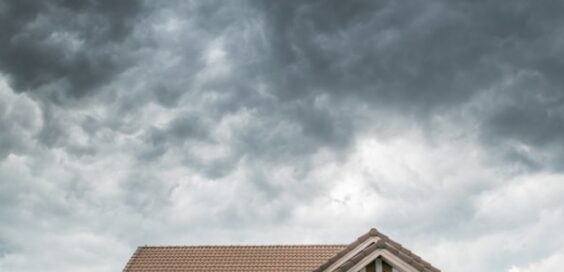
Planning on building a home, but still deciding on what kind? One thing you may want to consider when weighing your options is how different home types react to different types of weather. If you’re building in an area prone to rain, for example, building a home prone to water damage leads to costly repairs down the road. Here’s what you need to know before you commit to a build.
Rain
Rain can affect homes in a myriad of ways, from surface corrosion to interior water damage. Pole barns are one type of home susceptible to leaking because metal panel seams and fastener seals degrade with age. Leaks can develop due to those failing seals. There are ways to inspect and prevent serious damage, but weathering is always a risk. Stick-built homes are also prone to issues from rainstorms because moisture behind the siding swells wood framing, warping walls and inviting mold over time.
Wind
How a home connects to the ground and holds its exterior together determines how well it survives sustained wind pressure.
Log homes are heavy by nature, but joints are the weak point. As logs dry out over years, small gaps form and turn into pathways for wind and water. Manufactured homes face a different challenge. Without a permanent foundation, anchor straps keep the structure in place during strong gusts. A properly anchored manufactured home performs well, but one that hasn’t been inspected recently carries real risk when severe weather moves through.
Heat
When summer temperatures climb past what cooling systems want to handle, wall material starts showing up on your energy bill.
Adobe walls are dense enough to delay heat transfer for hours, keeping afternoon interior temperatures lower without leaning entirely on air conditioning. Concrete homes work on a similar principle but respond more slowly to temperature swings. In a climate that stays hot year-round, that’s an advantage. In places with cold winters, concrete without sufficient insulation loses warmth fast once outdoor temperatures drop sharply.
Snow
The angle of your roof determines how long snow sits on your home and how much weight your frame carries through winter.
Homes with steep A-frame roofs rarely experience build up because gravity pulls snow down, which reduces ice dam risk along the eaves. Ranch-style homes have a gentler pitch, so snow accumulates and stays. A few inches of wet snow adds hundreds of pounds to a low-slope roof, and that pressure compounds during multi-day storms when temperatures don’t rise enough to melt anything between weather events.
Humidity
Humidity does its damage slowly, which makes it easier to overlook until the problems are already inside your walls.
Earthship homes and other earth-sheltered structures stay naturally insulated from outdoor humidity swings because the surrounding soil acts as a buffer. Traditional wood-frame homes don’t have that protection. When humid air moves through gaps in the envelope, it condenses inside wall cavities, and that trapped moisture breaks down insulation and rots framing from the inside out. In consistently humid climates, the construction method you choose determines how much of that air ever reaches the structure in the first place.
The Takeaway Before You Build
Weather should be one of the first things you research when choosing a home type, not an afterthought once construction starts. Knowing how your local climate interacts with different structures puts you in a much better position to make a decision you won’t regret two winters in.
Image Credentials: bchancha, 345703145







 If you want to contribute tutorials, news or other money-related stuff:
  Share our home building library with your facebook friends:
  Do you have any ideas or suggestions you would like to make?
  If you like what we do, please subscribe to our
  All content Copyright © 2012 SayBuild. Part of nBuy Home Management Network.