
How To Plan Landscaping After Building a New Home
Written by SayBuild-admin // May 7, 2026 // Landscaping // Comments Off on How To Plan Landscaping After Building a New Home
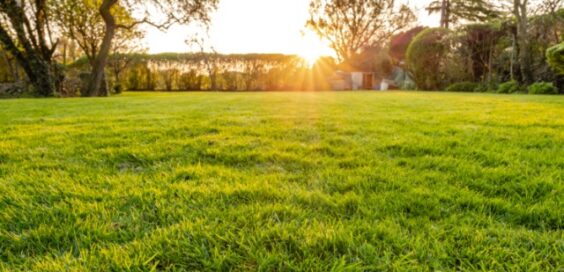
Building a new home is exciting, but the yard may not feel finished when the house is complete. Heavy equipment, compacted soil, and bare ground can leave the outdoor space looking rough.
That is why it helps to have a plan for your landscaping after building a new home, instead of rushing into it. A simple plan can help you avoid rework, protect your budget, and create a yard that fits your daily life.
Check the Yard After Heavy Rain
Start by watching how water moves across the lot. Walk the yard after a steady rain and look for puddles, soft soil, washed-out areas, and runoff near the foundation.
Pay close attention to downspouts and low spots. These areas may need drainage work or erosion control before you add plants or hardscape features.
Even after the construction ends, earlier site preparation choices can affect grading, drainage, and where new landscape features should go.
Protect Access for Future Work
Do not fill every open space right away. You may still need room for crews, materials, or equipment if you plan to add a patio, fence, shed, walkway, or retaining feature.
Before you request bids, define the outdoor scope clearly so each contractor prices the same work. This step can also help you compare timelines and materials more easily.
Plan Hardscape Before Planting
Hardscape features should guide the rest of the yard. Patios, walkways, and seating areas shape how people move through the space.
Plan these areas before you invest in plants. Otherwise, you may need to remove shrubs, shift beds, or tear up finished areas later.
Think about how your family will actually use the yard. A path from the driveway to the back door may matter more than a large flower bed.
Choose Low-Upkeep Areas First
A new yard can become expensive and time-consuming if every area needs constant care. Start with high-use spaces near entries, walkways, patios, and outdoor seating zones.
As you plan your landscape after building a new home, decide where low-maintenance landscaping can reduce upkeep and keep the yard easier to manage after move-in.
Focus on choosing durable plants and materials that fit your climate. This approach keeps the yard attractive without creating a long list of weekend chores.
Add Decorative Features Later
You do not need to finish the entire yard at once. In many cases, it helps to live in the home first and learn how the outdoor space works.
Save decorative lighting, accent beds, garden structures, and extra seating areas for later phases. This gives you time to see where shade falls, where people gather, and which areas need the most attention.
A smart landscaping plan starts with function. Handle drainage, access, hardscape layout, and maintenance needs first. Then add the finishing touches that make the yard feel complete.
Image Credentials: Nick Beer, 298329191





 If you want to contribute tutorials, news or other money-related stuff:
  Share our home building library with your facebook friends:
  Do you have any ideas or suggestions you would like to make?
  If you like what we do, please subscribe to our
  All content Copyright © 2012 SayBuild. Part of nBuy Home Management Network.