
Building Up Your First Tool Kit
Written by SayBuild Administration // January 30, 2013 // Power Tools // Comments Off on Building Up Your First Tool Kit
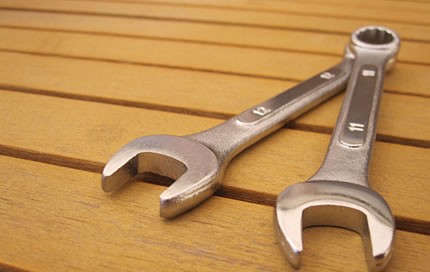
One of the best investments that any new home owner can make is to buy a basic tool kit that contains the essential tools that you will need for the most common home repairs. A well-equipped tool kit will save you a lot of time and stress and could save you a lot of money on call out fees and repairs.
What sort of tools should your first toolbox contain? Here’s a quick list:
- Nails, screws, hooks, nuts and bolts: You can buy boxes that contain the most common sizes of screws, nails and other assorted items at most DIY stores. Invest in a box today, and keep it topped up whenever you acquire spare screws. It should last you many years, and will come in handy on several occasions.
- A small saw: choose one with a blade cover to prevent damage to the teeth, and yourself.
- A set of files: At least one should be a metal-cutting file, which you can use to remove sharp edges from metal after cutting it.
- Masking tape: Low-tack tape is useful for protecting walls and floors while you’re painting skirting boards, or for protecting parts of fine woodwork while you’re varnishing other areas. It should peel off easily without damaging the finish.
- Goggles: some large, sturdy goggles are a must-have to protect your eyes while drilling and sanding.
- A stud finder: These are used to find the studs behind your walls. If you want to hang a shelf or a heavy picture frame, drive the screws into the studs so that the mount will be securely held into the wall.
- A good utility knife with a retractable blade: Keep a good stock of spare blades too.
- A set of pliers: Ideally you should have long-nose pliers, needle-nose pliers and cutting pliers.
- Measuring tape: Pick up two tapes – a soft cloth tape (the kind used by seamstresses) for measuring smaller items and a large retracting tape that you can use to measure rooms.
- Screwdrivers: A screwdriver set with changeable heads is useful as a way to ensure that you have at least one of each screwdriver type, but a separate set of individual screwdrivers with smaller handles may come in handy for fiddly electronic jobs.
- Hammers: If possible, buy a 16-ounce hammer for heavy duty jobs and a lighter one for indoor use.
- Spirit level: don’t rely on the spirit level on your iPhone – you may need a spirit level for a wet, dirty or dangerous job, and it’s better to use a cheap spirit level than put an expensive phone at risk of damage.
- Metal ruler: a metal rule is less likely to bend or get damaged during DIY tasks than a plastic one.
The above is just a small selection of useful tools. Over the years you will find that you acquire other tools such as planes, vise grips, set squares and multi-meters. If you look after your tools and keep then in a sturdy, well organized toolbox then they will last you a lifetime.
This article was written by Ben Frisby on behalf of Tool Orders, a retailer of various tools.Visit their site and see their range of tools available.


 If you want to contribute tutorials, news or other money-related stuff:
  Share our home building library with your facebook friends:
  Do you have any ideas or suggestions you would like to make?
  If you like what we do, please subscribe to our
  All content Copyright © 2012 SayBuild. Part of nBuy Home Management Network.