
How To Plan Your Backyard During Home Construction
Written by publishingreporting@logicalposition.com // October 27, 2026 // Home Construction // No comments
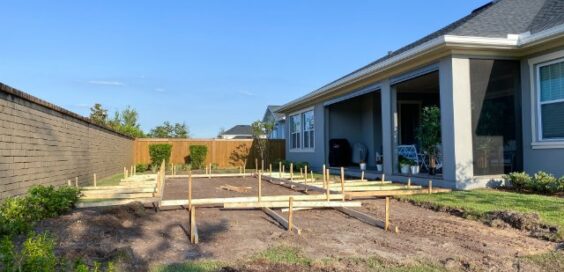
Building a new home involves making important decisions about everything from floor plans to interior finishes, but the backyard deserves equal consideration. Planning your outdoor space during construction allows you to coordinate landscaping, drainage, utilities, and recreational features before the property is complete. It can also prevent expensive modifications and help you make better use of the available space.
Understanding how to plan your backyard during home construction makes it easier to create an outdoor area that complements your home and supports your lifestyle. Whether you envision a peaceful garden, an entertainment area, or a swimming pool, early preparation makes your yard space more functional and easier to maintain.
Evaluate Your Backyard Space Before Construction
Before making landscaping decisions, review your property’s layout to understand how much usable outdoor space will remain after construction. The placement of your home, garage, driveway, and other structures will influence where you can install a patio, garden, and recreational features.
Pay attention to natural slopes, sunlight exposure, soil conditions, and neighboring properties. Areas receiving direct sunlight work well for gardens, while shaded sections provide room for comfortable seating during warmer months. You should also consider privacy and accessibility when deciding how different areas will connect.
Reviewing your site plan with your builder can help identify potential limitations before construction progresses. This allows you to make adjustments while changes are still relatively simple.
Establish a Realistic Backyard Budget
Backyard improvements add expenses to a home construction project. Estimating these costs early helps you avoid financial surprises after moving into your new home.
Your budget should account for essential work like grading, drainage, fencing, irrigation, and basic landscaping. Additional features, including a patio, outdoor kitchen, swimming pool, and decorative lighting, may require separate estimates.
Consider completing your backyard in phases if your budget is limited. Prioritize underground utilities, drainage, and other improvements that would be difficult to install later. Decorative landscaping and optional entertainment features can follow when finances allow.
Plan Proper Drainage and Grading
Drainage is an essential part of backyard planning because improper water management can damage landscaping and create moisture problems around your home’s foundation. Standing water may also encourage soil erosion and make outdoor areas difficult to use.
Work with your builder to establish suitable grading that directs water away from the house. Depending on your property’s conditions, drainage solutions may include French drains, swales, underground drainage pipes, or rain gardens.
Local rainfall patterns, soil composition, and municipal requirements should influence these decisions. Avoid making significant grading changes without professional guidance, as redirecting runoff can affect neighboring properties.
Design an Outdoor Living Area Around Your Lifestyle
Your backyard should reflect how you plan to use the space. Think about your household’s daily activities and how those needs might change over time.
Families with children may prefer open lawns and shaded play areas, while homeowners who enjoy entertaining might prioritize patios, outdoor dining spaces, or grilling stations. Gardening enthusiasts may want dedicated planting areas with convenient access to sunlight and water.
Dividing the backyard into functional zones makes the space feel organized without requiring elaborate landscaping. For example, a patio near the house can serve as an entertainment area, while a quieter corner provides space for relaxation. Keep pathways and entrances convenient so that moving between indoor and outdoor areas feels natural.
Consider a Swimming Pool and Other Major Features
If you are considering a swimming pool, identifying its location during home construction can simplify future installation. Pools require careful planning for excavation, plumbing, electrical connections, drainage, and equipment placement. Consider the available space for walkways, seating, landscaping, and safety barriers. You should also evaluate how pool placement might affect privacy, sunlight exposure, and access for maintenance.
Beyond installation costs, homeowners should consider ongoing maintenance responsibilities. Understanding why homeowners trust professional pool service companies to complete these tasks can help you evaluate the long-term demands of pool ownership before committing to the project.
Other major additions, such as an outdoor kitchen, covered patio, and pergola, may require utility connections, foundations, or permits. Discuss these possibilities with your builder even if you plan to complete them later.
Coordinate Underground Utilities Before Landscaping
Installing underground utilities after landscaping is complete can require digging through lawns, pathways, and established planting areas. Coordinating these installations during construction reduces disruption and additional expenses.
Consider whether your backyard will need electrical connections for lighting, outdoor outlets, irrigation equipment, or future recreational features. Water lines may also be necessary for garden faucets, outdoor kitchens, and sprinkler systems.
Ask your builder and licensed contractors about suitable utility routes and conduits before final grading. All installations should follow applicable building codes and utility clearance requirements. Keep records of underground utility locations so future landscaping or construction projects can proceed safely.
Choose Landscaping That Matches Your Property
Selecting appropriate plants improves your backyard’s appearance while reducing long-term maintenance. Consider your local climate, soil conditions, sunlight exposure, and available irrigation when choosing trees, shrubs, flowers, and grass. Native and regionally adapted plants may require less supplemental watering once established. Grouping plants with similar moisture needs can also make irrigation more efficient.
Think about mature plant sizes before placing trees or large shrubs near foundations, fences, or underground utilities. Allowing enough room for growth prevents future maintenance problems.
If you want a lawn, choose a grass variety suited to your region and expected foot traffic. Incorporating mulch, garden edging, and accessible pathways creates a finished appearance without making the landscape complicated.
Include Privacy, Safety, and Outdoor Lighting
Privacy and safety are important considerations when designing a backyard, particularly if neighboring homes are close together. Fences, hedges, and privacy screens create separation while improving the comfort of outdoor living areas.
Check local zoning regulations and homeowners’ association requirements before installing permanent barriers. Swimming pools may also require specific fencing, gates, and other safety measures.
Outdoor lighting improves visibility around patios, steps, pathways, and entrances while making the backyard more inviting after sunset. Choose fixtures designed for outdoor conditions and position them where illumination serves a practical purpose.
Leave Room for Future Improvements
Your backyard needs may change as your family grows or your interests develop. Leaving some open space allows you to add features such as a vegetable garden, storage shed, fire pit, or expanded patio without redesigning the entire property.
Consider preserving access routes for equipment if you anticipate major construction projects in the future. This is especially important for swimming pools and other installations requiring excavation. Flexible planning allows your outdoor space to remain useful for years while reducing the likelihood of expensive renovations.
Final Thoughts
Knowing how to plan your backyard during home construction helps you create an outdoor space that is attractive, practical, and suited to your long-term needs. By addressing drainage, budgeting, utilities, landscaping, and major features early, you can avoid unnecessary expenses and construction complications.
Work closely with your builder, prioritize essential improvements, and leave room for future changes. With thoughtful preparation, your backyard can become a comfortable extension of your new home that supports everyday activities and outdoor enjoyment.
Image Credentials: By Joni, 389754669







 If you want to contribute tutorials, news or other money-related stuff:
 Share our home building library with your facebook friends:
 Do you have any ideas or suggestions you would like to make?
 If you like what we do, please subscribe to our
 All content Copyright © 2012 SayBuild. Part of nBuy Home Management Network.