
Should You Build or Buy a Waterfront Home?
Written by publishingreporting@logicalposition.com // September 1, 2026 // Home Construction // Comments Off on Should You Build or Buy a Waterfront Home?
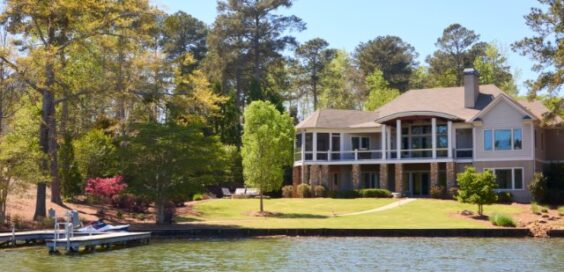
A waterfront home is more than a house with a desirable view because the shoreline influences how you use the property every day. An existing home lets you experience that relationship before you buy, from the views inside to the way the property connects with the water. Building asks you to imagine that experience before the house exists, but it gives you greater control over creating it. Deciding whether you should build or buy a waterfront home therefore comes down to what you value more, the freedom to shape the home around the setting or a quicker turn around with an already built home.
Start With the Waterfront Experience You Want
A waterfront address does not guarantee that a property will support the lifestyle you imagine. One home may provide convenient access to the water but limited views from its main living areas, while another may overlook the shoreline beautifully from terrain that makes reaching it less convenient. Those differences matter because you cannot evaluate the house separately from the setting that gives it much of its appeal.
Before comparing existing homes with building sites, think about how you expect to use the property during an ordinary week. Someone who spends considerable time on the water will evaluate a property differently from a homeowner who primarily wants the scenery incorporated into daily life. Once you know which characteristics would noticeably affect your experience, you can judge whether an existing property already provides them or whether creating them through new construction makes more sense.
Buying Replaces Some Unknowns With Real Experience
With an existing waterfront home, you do not have to imagine how the finished property will relate to its surroundings. Walking through the house reveals where the water appears from frequently used rooms, and stepping outside shows how naturally the property connects with the shoreline. Even characteristics you dislike provide useful information because you can evaluate what would need to change before committing to the property.
Having the house and shoreline in front of you can reduce some of the unknowns involved in buying waterfront property, particularly when your plans depend heavily on characteristics that already exist. The advantage becomes less convincing when the house requires major compromises in areas that renovations cannot easily correct. A property can occupy an appealing location without giving you the waterfront experience you actually want.
Building Influences That Connection
When existing homes repeatedly waste desirable views or create an awkward transition to outdoor spaces, new construction gives you an opportunity to make different decisions from the beginning. The floor plan can respond to the actual property, allowing the home’s orientation to reflect where the water sits.
Greater control can affect everyday living in ways that extend beyond having larger windows facing the shoreline. Rooms where you spend the most time can occupy the parts of the house that benefit most from the setting, while entrances and outdoor living areas can reflect how you move between the house and water. Building therefore has its strongest advantage when the relationship between home and setting matters enough that you do not want to inherit someone else’s choices.
The Property Determines How Much Freedom You Have
Designing from scratch may sound like the route with fewer compromises, but waterfront land can quickly define the boundaries of that freedom. The shape of the lot may restrict where a house can sit, and terrain can influence which parts of a design remain practical once construction planning begins. Local requirements near the shoreline may narrow those choices further.
Those limitations make the property itself part of the design process long before anyone selects finishes or finalizes room dimensions. The broader work involved in preparing a site for new home construction becomes particularly relevant when waterfront conditions complicate what initially looks possible on paper. Evaluating the land first prevents the freedom associated with building from turning into a plan the site cannot comfortably support.
Decide Whether an Existing Home’s Problems Are Fixable
Once you understand that building comes with its own limitations, an imperfect existing home deserves a more careful look. A house does not need to satisfy every preference when its shortcomings involve elements that renovation can reasonably change. The more important distinction lies between problems you can correct, and characteristics tied permanently to the property’s location.
Changing an interior may make an existing house work considerably better, but remodeling cannot relocate the shoreline or completely reinvent difficult terrain. Even major construction may struggle to compensate for an orientation that works against the property’s best qualities. When the compromises involve features you cannot meaningfully change, building gains a stronger advantage. When the underlying property already works, renovating the house may offer a more practical route to the result you want.
Compare the Commitment Behind Each Choice
The financial comparison becomes more useful when you look beyond the purchase price of an existing home and the initial estimate for new construction. Building introduces expenses before the house takes shape because the land may require work that a conventional residential lot would not. Those variables can make the final investment harder to predict early in the process, particularly when site conditions complicate construction.
Buying shifts more of the financial uncertainty toward what happens after the purchase. A house priced below comparable waterfront properties may lose that advantage if reaching your desired result requires extensive remodeling. Time belongs in the same calculation because renovations can delay the use of an existing home, while a complete build demands a much longer commitment before move-in.
Consider What Future Ownership Could Require
The right decision should still make sense after the novelty of waterfront ownership settles into ordinary life. A property purchased primarily for weekend use could eventually become somewhere you spend longer stretches of the year, changing what you expect from the home’s layout and everyday comfort. Your relationship with the water may evolve as well, making certain property characteristics more valuable than they appeared during the initial search.
Looking ahead means recognizing which parts of the property leave room for your plans to change without forcing another major housing decision. Building can incorporate some of that flexibility from the beginning, while an existing home may already provide it when its underlying layout and waterfront connection suit more than one stage of ownership.
Choose the Home and Waterfront Together
Ultimately, whether you should build or buy a waterfront home depends on which option brings you closer to the experience you want from the property. An existing home lets you judge how well the house and shoreline already work together, while building gives you greater control when available properties require compromises you would struggle to accept.
Neither path can make the wrong property feel right, so begin with the waterfront experience you want and judge each option against it. When the house and setting support the same vision, choosing between building and buying becomes considerably easier.
Image Credentials: By Jill Greer, #1972996801








 If you want to contribute tutorials, news or other money-related stuff:
  Share our home building library with your facebook friends:
  Do you have any ideas or suggestions you would like to make?
  If you like what we do, please subscribe to our
  All content Copyright © 2012 SayBuild. Part of nBuy Home Management Network.