
What To Consider When Designing a Mudroom for Your Home
Written by SayBuild-admin // June 2, 2026 // Hm Interior Rooms // Comments Off on What To Consider When Designing a Mudroom for Your Home
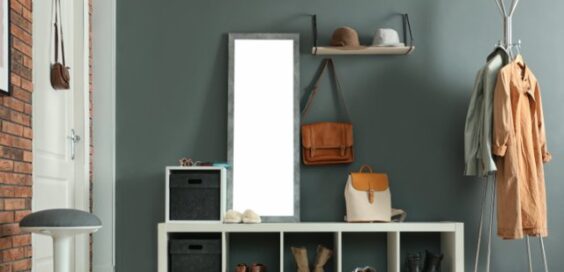
A mudroom can do much more than hold shoes and coats. It creates a practical buffer between outdoor messes and clean living spaces. For families, builders, and new homeowners, smart planning can turn this small area into one of the hardest-working spaces in the house.
When designing a mudroom for your home, there are many things to consider. The right layout can support storage, cleaning, laundry, pets, seasonal gear, and smooth movement through the home.
Start With How Your Household Enters the Home
Before choosing cabinets or flooring, think about how people will use the room each day. A mudroom near the garage works well for drivers, while a rear entry may suit gardeners, kids, or pets.
Map the path from the outside door to the kitchen, laundry room, or main hallway. Leave enough walking space so people can remove shoes, hang bags, and pass through without crowding the area.
Choose Storage that Matches Real Life
Storage is an important thing to consider when designing a mudroom for your home. Tall lockers can hold coats and backpacks, while drawers can hide gloves, hats, pet supplies, and small tools.
Open hooks make sense for everyday items. Closed cabinets help the room look cleaner when guests enter through the same door. A bench with storage underneath can also make shoe changes easier.
Select Durable Materials for Messy Days
Mudrooms handle wet shoes, road salt, garden soil, and heavy foot traffic. Choose flooring that can take moisture and clean up quickly. Tile, sealed concrete, luxury vinyl, and brick flooring can all work well.
Walls also need protection. Consider washable paint, beadboard, tile, or durable wall panels behind hooks and benches. These surfaces help reduce scuffs and make cleanup less stressful.
Plan for Pets from the Beginning
If you have animals in the house, a pet-friendly tip when creating a custom home is to design a mudroom with them in mind. Include space for leashes, towels, food bins, and a washable mat near the door. Some homeowners also add a pet shower, water bowl station, or built-in bed.
Think About Laundry and Cleaning Needs
A mudroom near the laundry room can save steps. Dirty sports uniforms, wet towels, and muddy work clothes can move straight into the wash instead of through the house.
If space allows, add a utility sink for rinsing boots, tools, or small household items. Even a compact sink can make the room more useful during busy weeks.
Build Flexibility into the Design
Your household needs may change over time. Young children may need low hooks now, while teens may need larger storage later. Adjustable shelves and flexible cubbies help the room adapt.
Strong mudroom design supports everyday life without feeling complex. When you plan the layout, materials, storage, and cleaning features early, the space can protect your home and simplify daily routines.
Image Credentials: by New Africa, #219322776








 If you want to contribute tutorials, news or other money-related stuff:
  Share our home building library with your facebook friends:
  Do you have any ideas or suggestions you would like to make?
  If you like what we do, please subscribe to our
  All content Copyright © 2012 SayBuild. Part of nBuy Home Management Network.