
How Air Compressors Are Used in Construction
Written by SayBuild Administration // March 6, 2013 // Home Construction // Comments Off on How Air Compressors Are Used in Construction
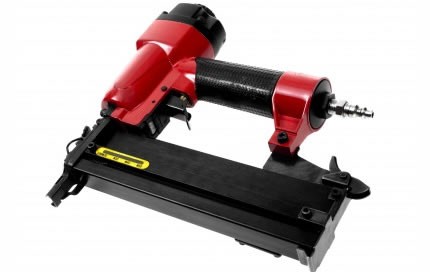
Air compressors are commonly used in both commercial and home construction projects. Their main function is to provide power to tools which would otherwise be run on electricity or gas; these tools are therefore referred to as pneumatic.
There are many different types of tools which can be powered by an air compressor, including many popular tools which are used regularly by construction companies and individuals. These include:
- Nail gun
- Wrench
- Drill
- Hammer
Air compressors can also be used for other purposes outside of construction, such as for filling scuba tanks, in dental equipment and at your local petrol station. Air compressors can also be used for other purposes on construction sites aside from powering machinery; for example, to move debris.
The Benefits of Using an Air Compressor
Air compressors are useful in a number of fields, but in the case of construction work it is in relation to pneumatic tools that we can really see the advantages of using an air compressor for power, rather than gas or electricity.
- Pneumatic tools tend to be lighter than gas or electric powered tools.
- Tools run on air compressors tend to be more powerful, but are also more energy efficient to run.
- Pneumatic tools can save time, particularly when it comes to large construction projects, as certain tasks are made much easier (drywall and trim work) by air powered tools.
How Air Compressors Work
Air compressors generate power by increasing the amount of air in a confined space, thereby creating a build up of tension via compression. Air compressor models are usually either hand powered, portable, electricity or gas powered.
There are two distinct types of air compressors, which work in different ways to create energy via air compression. Positive displacement compressors fill and empty an internal air chamber, and can be classed as either reciprocating, rotary screw or rotary sliding vane. By contrast, dynamic air compressors use a rotating device to accelerate and decelerate air – the speed of which in turn increases the pressure of the air. One example of this type is the centrifugal air compressor.
Air compressors also fall into one of two categories; two stage or single stage. Two stage air compressors are generally intended for heavier use and single stage compressors are more suitable for lighter use. The former feature two air storage chambers and two pistons, allowing them to store compressed air for future use, and are much more energy efficient than single stage compressors. The latter generate more heat and are generally not as safe as the two stage compressors.
Maintaining an Air Compressor
Air compressors, like any other type of machinery, need regular maintenance. The oil level should be checked daily and the oil and air filters replaced at least once a year, or after the air compressor has performed between 200 and 500 hours of operating time. Common sense dictates that air compressors should always be used appropriately and according to their instruction manuals, and they should be cleaned regularly to prolong performance.
How to Choose the Right Air Compressor
you’re undertaking a construction project and wish to purchase an air compressor, you can find many high quality compressors online; for example, Scot Industrial air compressors which come at reasonable prices and in a variety of models.
The type of air compressor you need will always depend on what type of construction work it is you’re doing. Always take into consideration whether or not you will need a portable compressor, what kind of power source you will have available and which pump type you’ll require, before making a purchase.






 If you want to contribute tutorials, news or other money-related stuff:
  Share our home building library with your facebook friends:
  Do you have any ideas or suggestions you would like to make?
  If you like what we do, please subscribe to our
  All content Copyright © 2012 SayBuild. Part of nBuy Home Management Network.