
7 Common Mistakes To Avoid When Painting Cabinets
Written by SayBuild-admin // February 10, 2026 // Home Improvement // Comments Off on 7 Common Mistakes To Avoid When Painting Cabinets
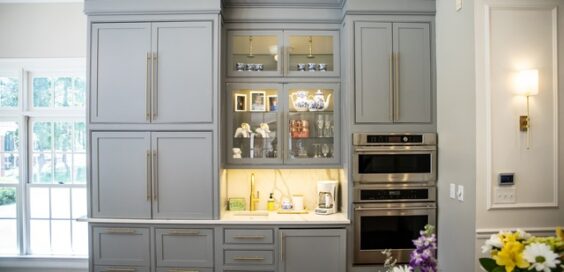
Upgrading your kitchen changes the entire feel of your home. Painting existing cabinetry offers a dramatic transformation without the expense of a full renovation. However, achieving a durable, high-quality look requires precision. Errors during preparation and application are common, leading to chipping or peeling.
Recognizing common mistakes to avoid when painting cabinets helps you secure a professional outcome.
Neglecting The Deep Clean
Kitchen surfaces collect invisible grease, oils, and food residue. Paint fails to adhere to dirty wood, leading to peeling shortly after drying. Many homeowners wipe surfaces with water, but this merely spreads the oils. Scrubbing with a heavy-duty degreaser or TSP (trisodium phosphate) effectively removes contaminants. A pristine surface promotes strong adhesion for the primer and topcoat.
Skimping On Sanding
Glossy finishes repel new coatings. Scuffing the exterior creates “tooth,” or texture, for the primer to grip. You must sand every inch, including corners and crevices. Skipping this step weakens the bond between the wood and the paint. Use the correct grit sandpaper to avoid leaving deep scratches that show through the final color. Vacuum all dust before moving to the next stage.
Painting With Hardware Attached
Leaving doors on their hinges creates a messy appearance. Paint inevitably gets on the hardware, and gravity causes drips on vertical surfaces. Remove all doors, drawers, and hardware before application. Laying doors flat allows the paint to level out smoothly, eliminating potential runs. Labeling each piece simplifies reinstallation later.
Choosing The Wrong Paint
Wall paint lacks the hardness required for high-traffic areas like kitchens. Cabinets demand specialized enamels that resist chipping, moisture, and daily wear. Standard latex paint feels soft and peels easily. Select a high-quality alkyd or hybrid enamel designed specifically for cabinetry. These products cure to a hard, durable shell that withstands scrubbing.
Ignoring Primer Application
Primer blocks stains and seals the wood surface. Wood tannins bleed through paint if you skip this layer, creating yellow spots. Furthermore, professional application methods matter. Using a sprayer provides factory-style results compared to brushes or rollers. Brushes leave visible strokes, disrupting the sleek look you desire.
Rushing The Drying Process
Humidity impacts the curing process of paint. Applying a second coat too soon can trap moisture underneath, leading to a tacky surface that remains soft for weeks. Always consult the manufacturer’s instructions for proper recoat intervals. Waiting patiently helps avoid smudges and texture problems. Ensure the paint has fully dried and hardened before reattaching hardware.
Applying Coats Too Thickly
Thick layers dry unevenly, increasing the risk of drips. Applying multiple thin coats cures more thoroughly and looks better. Light, even coats help create a smooth, glass-like finish. Avoid the temptation to cover everything in a single pass. Gradually building up the color results in a stronger, more attractive finish.
Achieve Lasting Beauty
Taking time to prep and apply materials correctly protects your investment. Bypassing shortcuts rewards you with a stunning kitchen that stands up to daily use. Identifying common mistakes to avoid when painting cabinets saves time and frustration. A methodical approach yields a kitchen you enjoy for years.
Image Credentials: Photographer: Ursula Page File #: 268422465






 If you want to contribute tutorials, news or other money-related stuff:
  Share our home building library with your facebook friends:
  Do you have any ideas or suggestions you would like to make?
  If you like what we do, please subscribe to our
  All content Copyright © 2012 SayBuild. Part of nBuy Home Management Network.