
A Guide to Straw Bale House Construction
Written by SayBuild Administration // December 3, 2012 // Home Construction // Comments Off on A Guide to Straw Bale House Construction
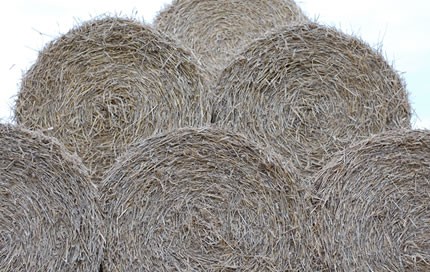
If you’re searching for an eco-friendly building material to use to construct your home, look no further than straw bales. There are many advantages to going down this route, aside from the environmental credentials.
Straw Bale – How Is It Used?
Let’s start with the basics – what is straw bale construction and how can you use it to build a home?
There are actually several ways in which you can utilise the material in a house-building project – one is as the structural, load-bearing walls, a second is to fill in the walls in a standard timber frame or post and beam house, and the third is as a wall covering.
This means you can create a hybrid of more than one construction method if you’d rather not go all out to make a straw bale home.
Why Choose Straw Bale?
You may be wondering what makes straw bale worthy of consideration over other construction materials, so here are a few of its best qualities:
- Insulation – Straw bale is a very good insulating material, so you shouldn’t need to worry about heat escaping from your home if you use this for the walls. It is also good for acoustic insulation, so it will prevent noise from outside being too loud and also means that any noise you make doesn’t disturb your neighbours!
- Availability – The UK produces a lot of straw every year and not all of it is used for agricultural purposes. That means it’s readily available and easy to source locally.
- Environmentally-friendly – Straw bale is one of the most sustainable building materials on the market, so if you’re concerned about reducing your impact on the environment, this is a good option. Thanks to its insulating qualities, it will continue to be environmentally-friendly long after the construction process is completed.
Things to Consider with Straw Bale Construction
At the construction stage, the main thing you need to remember is that you’ll need to keep your straw bales dry. Moisture is the biggest potential problem for straw bale homes, although once the walls are sealed with plaster or render, it should not be an issue.
You will also need to make sure the foundations are suitable for a straw bale house, which means they need to be self-draining. The best way to achieve this, according to Sustainable Build, is to use a rubble trench. Dig it well below the frost line and fill it with small rocks before adding the cement.
Of course, as with any self-build project, you’ll need to get all the usual machinery you’d require with any other construction scheme, although make sure you check with your project manager whether there is any specialist equipment you will need.
For example, as the weather in the UK can be unpredictable, you may want to arrange for a protective cover that can be fitted over your scaffolding rig to prevent the bales getting wet if it rains. It is probably easiest to arrange this when you are sorting out your scaffold hire for the project.
Finishing Your Straw Bale Home
It is very important that you use the right kind of render and plaster on straw bale walls to not only protect them from damp, but also to allow any moisture that does get into the structure to escape.
Lime mortar is a popular choice for finishing straw bale homes, as it is breathable yet very durable. Clay plaster is another option that can be used on the exterior. For internal walls, you can plaster or dry-line them.
Just remember that you also need to use ‘breathable’ paint when you decorate the inside of your property!
“A Guide to Straw Bale House Construction” was written on behalf of Speedy Hire, specialists in equipment, tool and scaffold hire.







 If you want to contribute tutorials, news or other money-related stuff:
  Share our home building library with your facebook friends:
  Do you have any ideas or suggestions you would like to make?
  If you like what we do, please subscribe to our
  All content Copyright © 2012 SayBuild. Part of nBuy Home Management Network.