
What to Check Before Opening Up a Wall at Home
Written by publishingreporting@logicalposition.com // November 18, 2026 // Home Remodeling // Comments Off on What to Check Before Opening Up a Wall at Home
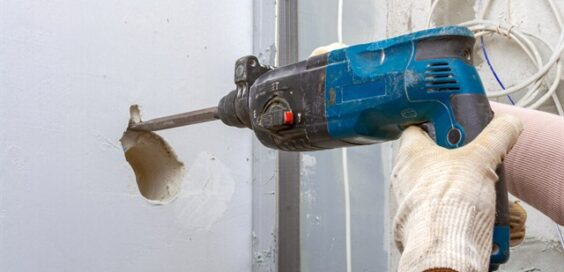
Removing a wall can make a cramped kitchen feel spacious or give an outdated floor plan a fresh look. Even a small opening between rooms can change how your home feels. However, the drywall may conceal more than you expect, and removing it without preparation can create expensive problems.
Knowing what to check before opening up a wall at home helps you identify potential hazards before demolition begins. Electrical wiring may run through the framing, while structural supports could carry weight from the floor above.
A successful renovation starts with investigating what's behind the surface rather than reaching for a hammer. Taking time to examine the wall can help you avoid unnecessary damage and plan the work with greater confidence.
1. Determine Whether the Wall Supports Your Home
Before removing drywall, establish whether the wall plays a structural role. Load-bearing walls transfer weight from the roof or upper floors toward the foundation. Removing part of one without proper support can compromise the surrounding structure.
Some homeowners assume that interior walls don't carry weight, especially when the wall separates two small rooms. However, load-bearing walls can appear throughout a house, and their location depends on the building's design.
Original construction drawings may offer useful information about framing and structural supports. However, renovations can change a home's layout, making older plans less reliable.
Ask a qualified structural engineer or experienced building professional to evaluate the wall before making structural changes. If the project requires a new beam, the engineer can specify the appropriate support and connections.
2. Locate Electrical Wiring Before Cutting Drywall
Electrical cables often travel through wall cavities to reach outlets or switches. A wall that appears empty may contain wiring serving another room, making accidental damage a concern during demolition.
Start by identifying nearby electrical fixtures and reviewing available construction plans. A wall scanner with electrical detection capabilities may help locate some concealed wiring, although these devices have limitations.
Never assume that an empty scan means the wall contains no electrical cables. Wiring can follow unexpected routes, particularly in homes that have undergone previous renovations.
Have a qualified electrician identify affected circuits and safely disconnect or reroute wiring before demolition. Switching off a breaker alone doesn't confirm that every conductor in the work area lacks voltage.
3. Check for Plumbing and HVAC Components
Walls near bathrooms or kitchens deserve particular attention because they may contain water supply lines or drainpipes. Cutting into a concealed pipe can cause flooding and create repairs far beyond the original renovation budget.
Plumbing may also pass through walls that don't contain visible fixtures. For example, a vertical pipe might serve an upstairs bathroom while traveling through a downstairs partition.
Heating and cooling systems present similar complications. Some walls contain ductwork or return-air pathways that contribute to airflow throughout the house.
Before changing these spaces, ask the appropriate trade professional to inspect the existing installation. Relocating plumbing or ductwork may affect your renovation's cost and require changes elsewhere in the home.
4. Investigate Hazardous Materials in Older Homes
Older homes can contain materials that require special handling during renovation. Lead-based paint presents a particular concern in houses built before 1978, when federal restrictions ended its use in residential paint.
According to the Environmental Protection Agency, disturbing lead-based paint can release hazardous dust. The agency recommends hiring a lead-safe certified contractor for renovation work in older homes.
Some older building materials may also contain asbestos, including certain wall finishes or insulation products. Appearance alone cannot reliably establish whether a material contains asbestos.
If you suspect hazardous materials, arrange appropriate professional testing before disturbing them. Qualified contractors can explain safe handling procedures and applicable requirements for your property.
5. Confirm Permit Requirements Before Demolition
Removing a wall may seem like a straightforward interior improvement, but local building departments can require permits for structural alterations. Electrical or plumbing modifications may trigger separate permit requirements.
Contact your local building department and describe the proposed work before scheduling demolition. Explain whether you plan to remove the entire wall or create a smaller opening.
Questions Worth Asking Your Building Department
- Does the project require a permit? Confirm which changes fall under local building regulations.
- Will officials need structural drawings? Ask what documentation must accompany your application.
- Which inspections apply? Find out when inspectors need access before contractors close the wall.
These conversations can prevent delays once construction begins. They also help homeowners coordinate professional work around the municipality's approval process.
6. Plan for Repairs Beyond the Opening
Opening a wall affects more than the drywall you remove. The surrounding finishes may need attention, particularly when the renovation exposes uneven flooring or changes the ceiling's appearance.
For example, removing a partition between a kitchen and dining room can reveal gaps where the wall once met the floor. Matching older flooring may prove difficult if the manufacturer no longer produces the original material.
Contractors may also need construction materials for framing repairs when they adjust an opening or rebuild damaged sections. Choosing appropriate products for new construction projects can support the work, although existing framing conditions should guide material selection.
Discuss these finishing details during the planning stage. A renovation budget that accounts for the surrounding surfaces gives you a clearer picture of the project's actual scope.
7. Prepare the Room Before Work Begins
Wall demolition creates dust that can travel into neighboring rooms, even when workers remove drywall carefully. Protecting the surrounding space helps reduce cleanup and keeps household belongings away from construction debris.
Move furniture away from the work area and arrange temporary barriers where appropriate. Contractors may use protective coverings and dust-control equipment to limit the spread of particles.
Consider how the renovation will affect daily activities. Opening a kitchen wall could temporarily interrupt access to appliances, while work near a hallway might restrict movement between rooms.
Coordinate these arrangements with your contractor before demolition starts. Discuss where workers will place debris and how they will protect finished surfaces during construction.
Give Your Renovation a Strong Starting Point
Opening a wall can create exciting possibilities for your home's layout, but the work deserves careful preparation. Structural supports and concealed utilities can influence how much of the wall you can safely remove.
Knowing what to check before opening up a wall at home also helps you communicate your plans more effectively with contractors. Clear expectations about permits and potential repairs can reduce surprises once work begins.
Before making the first cut, confirm that qualified professionals have addressed the conditions that could affect safety. With the right preparation, you can move forward with a renovation that respects your home's structure while creating the space you want.
Image Credentials: By Itana, 2048674180






 If you want to contribute tutorials, news or other money-related stuff:
 Share our home building library with your facebook friends:
 Do you have any ideas or suggestions you would like to make?
 If you like what we do, please subscribe to our
 All content Copyright © 2012 SayBuild. Part of nBuy Home Management Network.