
Construction Equipment You May Need to Rent for Your Build
Written by publishingreporting@logicalposition.com // July 9, 2026 // Construction Equipment // Comments Off on Construction Equipment You May Need to Rent for Your Build
Planning a home build? You’ll likely need to rent a few pieces of construction equipment to get the job done. Here are the top machines to look into in the planning phase so you can budget for rentals accordingly.
An Excavator Does the Heavy Groundwork
Before any foundation goes in, the ground needs to be cleared and graded. An excavator handles that by digging out large amounts of soil quickly. Most residential builds use a compact or mid-size excavator because they fit into tighter lots without sacrificing digging power. If your build site has trees to remove or a basement to dig out, this is probably your first rental.
A Skid Steer Keeps the Site Moving
Once excavation wraps up, a skid steer becomes one of the most-used machines on the lot. It moves material around the site, backfills areas after foundation work, and can swap attachments to handle different jobs. The tight turning radius makes it practical on smaller residential sites where space between structures is limited.
A Dump Trailer Handles the Debris
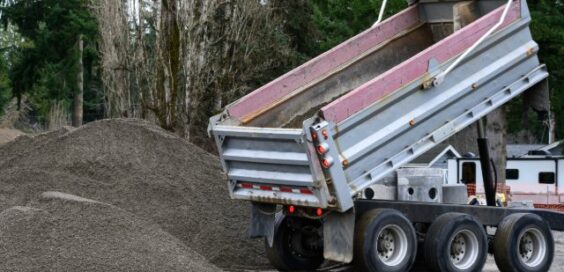
One piece of equipment you may need is a dump trailer, which you can use to haul away excavated soil, construction debris, or delivery loads of material. There are several things to consider when purchasing a dump trailer, such as the payload capacity and hitch requirements. Generally, a single-axle trailer will work for the majority of smaller residential projects.
A Concrete Mixer Keeps the Pour Consistent
If your project includes footings, a driveway, or a poured slab, mixing concrete by hand isn’t realistic past a certain volume. A rented concrete mixer lets you batch fresh concrete on-site as you need it, so the mix doesn’t start setting before you’re ready to pour. This cuts down on waste and gives you more control over the timing of each section.
A Boom Lift Gets You to the Upper Levels
Framing, roofline work, and exterior siding all require getting workers and materials up off the ground safely. A boom lift extends out and up, which gives you access to areas a standard ladder can’t reach. For a two-story build, this is a rental most crews won’t skip.
A Compactor Prepares the Ground Beneath Your Foundation
Before concrete goes down, the soil underneath needs to be packed tight. Loose or uneven ground causes settling over time, which can crack a slab or shift a footing out of level. A plate compactor runs over the prepared surface and presses the soil into a dense, stable base. If your build includes a driveway or any poured flatwork, you’ll want this one on the rental list too.
A Trencher Handles Underground Line Work
Water lines, electrical conduit, and drainage all run underground, and digging those channels by hand takes far longer than it sounds. A trencher cuts a narrow, precise channel through soil at a consistent depth, which keeps your underground lines where they need to be. Most residential trenchers are walk-behind units that are straightforward to operate without specialized training.
Before You Start Pricing Rentals
The construction equipment you need depends on the size of your lot, the scope of your build, and how much of the work your crew is handling directly. Pricing out rentals early keeps your budget from getting away from you mid-project. Talk to your local equipment rental company about availability and weekly rates before you break ground.
Image Credentials: knelson20, 1901680643



 If you want to contribute tutorials, news or other money-related stuff:
  Share our home building library with your facebook friends:
  Do you have any ideas or suggestions you would like to make?
  If you like what we do, please subscribe to our
  All content Copyright © 2012 SayBuild. Part of nBuy Home Management Network.