
Choosing the Right Concrete Features for Your Home
Written by publishingreporting@logicalposition.com // November 13, 2026 // Driveway and Walkways // Comments Off on Choosing the Right Concrete Features for Your Home
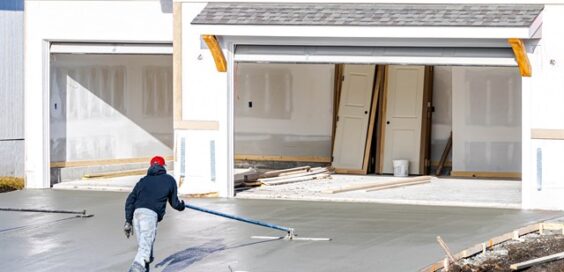
Building a home involves plenty of decisions, including where to incorporate concrete into your property. You may have ideas for your outdoor spaces but aren't sure which installations will best suit your needs. Choosing the right concrete features for your home means considering both their practical purpose and their appearance. With careful planning, you can create spaces that support your lifestyle without unnecessary expenses.
Consider Your Property's Layout
Your property's size and natural characteristics will influence which concrete installations make sense. A spacious lot may accommodate a large driveway or an extended patio, while a smaller property requires more careful planning.
Pay attention to changes in elevation, particularly around areas where you want to build. If your yard slopes considerably, you may need additional preparation to create a stable surface. You'll also want to consider existing structures and property boundaries. Planning around these limitations early can prevent conflicts when construction begins.
Plan Your Driveway Around Daily Use
Your driveway will likely see more regular use than almost any other concrete feature on your property. That's why you should consider your household's parking needs rather than choosing dimensions based entirely on appearance.
If you own multiple vehicles, think about whether everyone can park without blocking access. You should also allow enough space to open car doors comfortably and move between parked vehicles.
Account for Vehicle Movement
Consider the approach from the street to your garage or parking area. Sharp turns can make parking difficult, particularly if you drive a larger vehicle.
Your driveway's slope also deserves attention. An excessively steep approach may create clearance problems for certain vehicles, so discuss grading requirements during the planning process.
Choose a Patio That Fits Your Lifestyle
A concrete patio can give you a dedicated area for spending time outdoors. However, you'll get more use from it when its dimensions reflect what you plan to do there. If you enjoy outdoor dining, measure the space your table will occupy. Remember that guests need room to pull out chairs without stepping onto the surrounding lawn.
You don't necessarily need an oversized patio to create a comfortable setting. A thoughtfully proportioned design can provide enough usable space while preserving room for other backyard activities.
Think About Sun Exposure
Consider when you'll spend the most time outside. A patio that receives direct afternoon sunlight may become uncomfortable during warmer months, particularly in regions with intense summer heat.
You can account for these conditions through placement and future shade options. Just make sure your plans don't interfere with access to the house.
Understand Your Pool Deck Requirements
If you're planning a swimming pool, the surrounding concrete deserves attention during the design stage. You'll need enough room to move around the pool without crowding nearby landscaping or structures.
Consider where people will enter and exit the water. These locations often require additional walking space, especially when several people use the pool simultaneously. Surface texture matters here, too. Smooth finishes can become slippery when wet, so ask about appropriate slip-resistant finishes for poolside applications.
You'll also need proper drainage to direct water away from areas where it could accumulate. Your contractor can evaluate the necessary slopes while accounting for the pool's surrounding features.
Match Concrete Finishes to Your Home
Concrete doesn't have to look identical throughout your property. You can choose different surface treatments depending on the appearance you want and the conditions each area will experience.
For example, a broom finish creates a textured surface that can improve traction. Decorative finishes may offer additional visual interest, although their maintenance requirements can vary.
When comparing options, consider these practical factors:
- Surface traction: Choose textures that suit areas exposed to rain or frequent moisture
- Maintenance: Ask whether the finish requires periodic sealing or specialized cleaning
- Color: Consider whether the shade complements your home's exterior materials
- Repair expectations: Understand whether future repairs could create noticeable differences in appearance
When comparing finishes, consider the appearance you want across your property. A textured driveway might complement a smoother patio, while consistent colors can help connect separate areas. Looking at residential concrete designs can give you a better sense of which combinations suit your home's exterior and surrounding landscape.
Evaluate Permanent Outdoor Features
Beyond flat surfaces, you may want concrete elements that create more defined outdoor areas. These installations can support your landscape design while giving different parts of your property a specific purpose.
For instance, a concrete retaining wall may help manage changes in ground elevation. However, retaining walls must account for soil pressure and drainage, so their construction requires appropriate engineering considerations. Permanent seating can also make sense in areas where you regularly entertain guests. Unlike movable furniture, though, you won't have the same flexibility to rearrange the space later.
Think carefully about where you want these features before committing to their placement. A permanent installation should accommodate your intended use without limiting future changes unnecessarily.
Understand What Goes Into Installation
Choosing the right concrete features for your home also means understanding what proper installation involves. The finished surface is only part of the work, and preparation can influence its long-term performance.
Your contractor will need to assess the soil conditions and determine whether the site requires excavation or additional compaction. Poorly prepared ground can contribute to settling and cracking over time.
Concrete also expands and contracts as temperatures change. Contractors use properly placed joints to help control cracking, although no installation can guarantee a completely crack-free surface.
Ask About Reinforcement and Thickness
Different installations experience different loads. A driveway that supports vehicles may require a different slab thickness or reinforcement approach than a pedestrian walkway.
Rather than assuming every slab needs the same specifications, discuss the expected loads with your contractor. Local requirements and site conditions should guide these decisions.
Coordinate Your Concrete Work With Construction
When you're building a new home, concrete installations shouldn't become an afterthought. Their placement may affect other construction activities, particularly when crews need access to the property.
For example, installing a finished driveway too early could expose it to unnecessary damage from heavy construction equipment. Your builder can help determine an appropriate installation schedule. You should also discuss where underground utilities will run. Coordinating these locations can reduce the likelihood of cutting into newly completed concrete for later utility work.
Budget planning matters as well. Request separate estimates for major installations so you can prioritize essential work without overlooking preparation costs.
Your home doesn't need every possible concrete feature to function well. What matters is choosing installations that support your plans and fit the property's practical requirements. As you finalize your design, ask your builder to review your preferred features against the construction schedule and available budget. You'll have a clearer path toward making decisions you can confidently carry into construction.
Image Credentials: By Vipada, 715783949


 If you want to contribute tutorials, news or other money-related stuff:
 Share our home building library with your facebook friends:
 Do you have any ideas or suggestions you would like to make?
 If you like what we do, please subscribe to our
 All content Copyright © 2012 SayBuild. Part of nBuy Home Management Network.