
Easy Tips for Fixing Drainage Problems in Your Yard
Written by publishingreporting@logicalposition.com // September 24, 2026 // Yard and Garden // Comments Off on Easy Tips for Fixing Drainage Problems in Your Yard
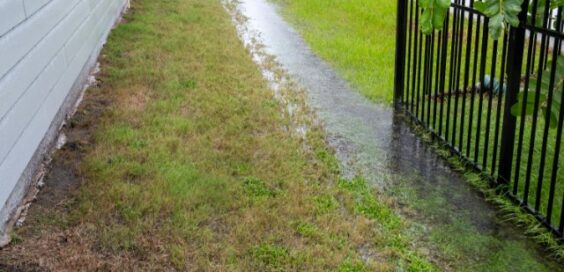
A yard can look polished after a new mow or a patio refresh, but excess water can quickly spoil the scene. Puddles near a patio, soggy sections of lawn, washed-out mulch, and soil erosion all point to a drainage concern that deserves attention. Fortunately, many yard drainage issues have practical solutions once you identify the source. This guide to easy tips for fixing drainage problems in your yard covers several approachable ways to direct water to a better destination and protect the outdoor spaces around your home. Use these techniques to find the source of the problem and work with an expert for assistance ASAP.
Start With the Source of the Excess Water
Before you choose a solution, take a close look at where water collects and where it comes from. A low section of lawn may collect rain from several nearby areas, or a downspout may dump roof runoff into one small patch. Water near a patio can also point to a slope that directs runoff toward the hardscape rather than away from it. Check the yard after a steady rain and note any puddles, channels, or patches of saturated soil. Look at areas near downspouts, patios, walkways, retaining walls, and property edges. A clear view of the water’s path can help you choose a solution that addresses the source instead of the most visible symptom.
Extend Downspouts Away From Problem Areas
A roof collects a large volume of rain, and gutters direct that water toward downspouts. If a downspout ends beside the house or near a low spot, one rainstorm can send a concentrated flow into the same area. A downspout extension can carry that water farther from the structure and toward a suitable drainage area.
Keep the discharge point away from places where water could cause another problem. For example, moving runoff from one side of the lawn to a patio edge won’t solve much. Local rules can also affect where a homeowner may direct stormwater, so check applicable requirements before you alter the route.
Know When the Yard Needs Professional Help
A small puddle after a major storm isn’t the same as water that sits beside a foundation or returns after routine rainfall. Extensive erosion, broad areas of saturated soil, repeated hardscape washout, or runoff from neighboring property can involve more complex site conditions. Those situations deserve a closer assessment. A drainage professional or qualified landscape contractor can evaluate slope, soil, runoff volume, and potential discharge points. Professional guidance can also help when a project requires excavation or changes to established grades. That expertise is especially useful when one adjustment could shift water toward another part of the property.
Correct Minor Low Spots in the Lawn
Small depressions can form as soil settles over time. These areas may hold water long after the rest of the lawn dries, especially after a heavy storm. A minor low spot may benefit from added soil that brings the area closer to the grade around it.
Take a gradual approach rather than adding a large mound at once. The goal is to support a gentle path for runoff without burying healthy grass or pushing water toward the house. Larger grade concerns call for professional assessment, since changes to the land can affect several areas at once.
Give Water a Clear Route Across the Yard
Water follows gravity, so a yard needs a sensible route for runoff. Soil, landscape borders, roots, or other obstacles can interrupt that path and leave water trapped in places where it doesn’t belong. In some cases, a shallow landscape channel can guide runoff toward an approved drainage point.
A swale is one example. This broad, shallow depression directs runoff across the property without the appearance of a deep ditch. Grass or suitable landscape plants can help the feature blend with the rest of the yard.
Consider a French Drain for Persistent Trouble Spots
Some areas stay wet because surface adjustments alone don’t provide enough relief. A French drain can offer another route for excess water in certain yards. This type of system typically uses a gravel-filled trench and perforated pipe to collect water and carry it toward an appropriate outlet.
The proper location, depth, slope, and discharge point depend on site conditions. For that reason, professional input is useful before a homeowner commits to this type of project. Underground utilities and local stormwater rules also deserve attention before any excavation takes place.
Use Landscape Beds With Drainage in Mind
Landscape beds can add color and texture, but their layout can influence how water travels through a yard. Raised borders or dense soil can act like small dams and trap runoff against a patio, walkway, or lawn. Mulch can also wash out if fast runoff crosses a bed after each storm.
Review the shape of each bed and the direction of the surrounding slope. Plant choices should suit the soil, sun, and moisture conditions in that part of the property. In a naturally damp section, plants suited to wetter soil may fit the site better than varieties that prefer dry ground.
Look at Hardscape Areas as Part of the Yard
Comparing the differences between traditional and permeable pavers is crucial because permeable designs have a big impact on overall yard drainage. Patios, walkways, and driveways affect how rain moves across a property because their surfaces interact with runoff differently than lawn or landscape beds. Their placement and slope deserve consideration as part of the overall drainage plan. A hardscape project should fit the conditions of the site rather than exist as a separate piece of the landscape.
Follow These Easy Tips to Find a Solution
A good drainage plan gives rainwater a sensible place to go. Easy tips for fixing drainage problems in your yard start with basic steps such as clearing drainage routes and reviewing how water travels around landscape and hardscape areas. Rely on these easy steps to keep your yard in great shape. Plus, don’t forget to follow a proactive plumbing maintenance plan to keep the interior of your home equally efficient and pristine.
Image Credentials: By David Gales, File # 1687933233







 If you want to contribute tutorials, news or other money-related stuff:
  Share our home building library with your facebook friends:
  Do you have any ideas or suggestions you would like to make?
  If you like what we do, please subscribe to our
  All content Copyright © 2012 SayBuild. Part of nBuy Home Management Network.