
Keeping a Home Construction Crew Cool During a Heat Wave
Written by publishingreporting@logicalposition.com // September 18, 2026 // Building Contractors // No comments
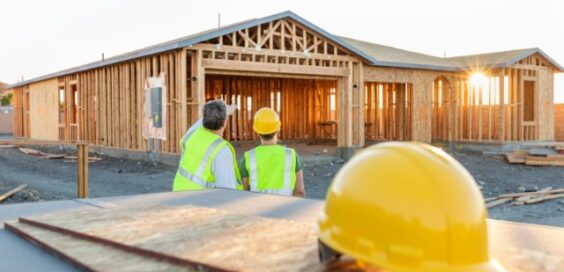
A heat wave can turn an ordinary residential construction project into a grueling endurance test. Roofers and framing crews often spend hours in direct sunlight while working around surfaces that absorb and reflect heat. Protective gear can further increase physical strain.
Supervisors can’t control the weather, but they can shape how the crew responds to it. A thoughtful heat plan can reduce unnecessary exposure and help workers stay focused throughout the day. When leaders treat heat as a jobsite hazard rather than an inconvenience, the crew enjoys a safer, more manageable workday. Here’s how to keep a home construction crew cool during a heat wave.
Start Before the Heat Arrives
Effective heat management starts before the forecast reaches dangerous levels. Crew leaders should review the expected temperature and humidity during daily planning, then adjust the work schedule as extreme heat approaches. Waiting until workers feel exhausted makes heat harder to manage.
Supervisors should also review which jobs require the most physical effort or involve the most sun exposure. Roofing and heavy material handling place greater demands on the body than lighter finish work. When possible, crews can complete demanding jobs during the cooler parts of the day.
Preparation should include a clear plan for shade and water. Workers need to know where they can cool down without leaving the jobsite. A brief conversation before the shift can explain the precautions and remind everyone to speak up when symptoms begin.
Adjust the Workday
Early start times can make a major difference during a heat wave. Temperatures often climb quickly by late morning, especially around roofs and dark building materials. Moving demanding work into the early hours can reduce exposure to peak afternoon heat.
Supervisors may also need to slow the normal pace. A schedule that works in mild weather may push workers too hard in extreme temperatures. Crews still need to meet project goals, but heat can limit how much physical effort workers can safely sustain.
Task rotation can help as well. A worker who spends a long period in direct sun may benefit from switching to a shaded or less demanding job for part of the shift. Thoughtful scheduling prevents any one person from carrying the heaviest heat load for hours.
Create Reliable Cooling Areas
Workers need a place where their bodies can recover from heat exposure. Shade from trees or an unfinished structure can help, but temporary canopies often provide more reliable coverage as construction conditions change.
Make sure the cooling area is close to the work zone. If employees have to walk a long distance for every break, they may skip recovery time when production pressure builds. Keeping water nearby also makes hydration easier.
Fans can improve comfort in covered areas by providing safe airflow. Portable cooling equipment may offer additional relief on some sites. Supervisors should choose equipment that fits the work environment and does not create electrical hazards.
Make Hydration Routine
Workers shouldn’t wait until they feel intensely thirsty before they drink water. Heat and physical labor can increase fluid loss quickly, and a busy crew can forget regular hydration while focusing on a task.
Crew leaders can schedule water breaks throughout the day rather than leaving hydration entirely to individual judgment. Frequent access to cool drinking water helps workers replace fluids throughout the shift. Workers should keep water within reach without disrupting active work areas.
Supervisors can strengthen that habit by taking water breaks with the team and reminding workers to drink during scheduled breaks. A consistent routine reduces the pressure to push through a hot shift without stopping.
Choose Gear for Hot Conditions
Construction crews still need protective equipment during extreme heat. Workers can’t remove head protection or other required gear just because temperatures rise. Instead, supervisors should select equipment that provides protection without adding unnecessary heat stress.
Lightweight options and breathable designs can improve comfort when they meet the job’s hazard requirements. High-visibility apparel with ventilation can help workers remain more visible while allowing more airflow. Cooling towels may also provide relief during breaks.
Supervisors should treat heat-ready protective items as essential worksite safety equipment rather than optional comfort products. The right gear can support the crew during demanding tasks under difficult conditions. Leaders should also inspect equipment regularly so damaged or poorly fitting items don’t make hot-weather work harder.
Watch for Warning Signs
Heat illness can develop quickly, so supervisors and coworkers should watch for changes in behavior or physical condition. A worker who suddenly slows down or appears confused may need immediate help.
Headache and nausea can signal heat strain. Muscle cramps or unusual fatigue can also tell a worker to stop and cool down. Crews should never encourage someone to work through symptoms just to finish a task.
Workers should know whom to contact when they notice a problem. The crew also needs a clear process for getting medical help when symptoms become severe. Fast action can keep a dangerous situation from becoming worse.
Give New Workers Extra Attention
Workers who haven’t spent much time in hot conditions may need a gradual adjustment period. That includes new hires and employees returning after time away from physically demanding outdoor work.
Supervisors can initially reduce the workload and increase it as the worker adapts. Frequent check-ins help leaders detect heat strain before the worker reaches dangerous exhaustion. Experienced employees can support the process by monitoring newer coworkers during demanding tasks.
No one should feel pressure to prove toughness during a heat wave. A strong safety culture gives workers permission to report symptoms early and take recovery breaks without embarrassment.
Keep the Site Organized
A cluttered jobsite forces workers to spend more energy than necessary. When crews store materials far from the work zone, workers expend extra energy lifting and walking in the heat. Poor access routes can also slow tasks and keep crews outside longer.
Before the hottest part of the day, supervisors can place commonly used materials closer to active work areas. Crews can keep paths clear so workers don’t waste effort navigating obstacles. Small organizational choices can reduce physical strain throughout an entire shift.
If possible, schedule unloading during cooler hours rather than at the hottest point of the afternoon. That choice can reduce the burden on workers who have already spent several hours performing physical labor.
Keep Communication Open
Heat plans only work when workers feel comfortable using them. Supervisors should discuss precautions in straightforward language and invite workers to report concerns as soon as they notice them.
Crew leaders also need to respond consistently. If one supervisor encourages breaks while another criticizes workers for stopping, employees may ignore symptoms to avoid conflict. A clear standard helps everyone understand that heat safety belongs to the job.
Daily communication helps supervisors adjust the plan when conditions change. A project may move from shaded interior work to exposed roofing in a single day, so yesterday’s approach may not fit today’s tasks.
Build Heat Safety Into the Job
Home construction won’t stop every time summer temperatures climb, but crews can change how they work when dangerous heat arrives. Better scheduling can limit exposure, while dependable shade and hydration give workers regular chances to recover. Attentive supervision helps the crew respond before early symptoms become an emergency.
A productive jobsite doesn’t depend on workers pushing past their limits. It depends on planning that respects the demands of physical labor in extreme weather. When supervisors prepare for heat and adjust the workday thoughtfully, they help crews stay focused through the toughest summer conditions.
Image Credentials: Andy Dean, # 223419938








 If you want to contribute tutorials, news or other money-related stuff:
  Share our home building library with your facebook friends:
  Do you have any ideas or suggestions you would like to make?
  If you like what we do, please subscribe to our
  All content Copyright © 2012 SayBuild. Part of nBuy Home Management Network.