
What You Should Know About Buying Remote Land
Written by SayBuild-admin // May 7, 2026 // Other Home Issues // Comments Off on What You Should Know About Buying Remote Land
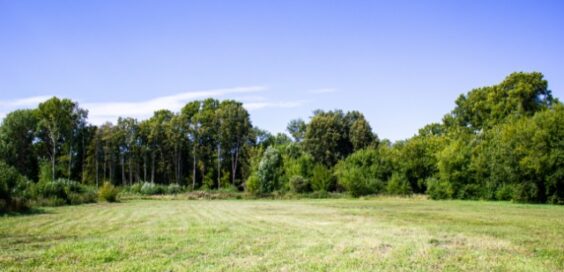
Buying remote land sounds exciting, but it comes with unique challenges that you should understand before you commit your money. Remote properties often offer privacy, lower prices, and long-term investment potential. At the same time, they demand careful research, planning, and realistic expectations about development and maintenance.
Understanding Location and Infrastructure
Location shapes the value of any property, and remote land makes this even more important. You need to evaluate distance from towns, road quality, and seasonal access issues. Consider how you will reach the land during winter or heavy rain. Limited infrastructure can increase costs for utilities like electricity, water, and internet.
Checking Legal and Access Details
Before you buy, confirm ownership records, zoning rules, and any restrictions tied to the land. Pay close attention to land access rights, since some parcels do not include direct road access. You might need easements or agreements with neighboring owners. Clear legal access protects your ability to use and resell the property later.
Budgeting Beyond the Purchase Price
Many buyers focus on the listing price, but remote land often brings extra expenses. You should plan for surveys, permits, utility setup, and road improvements. These costs can quickly exceed your expectations if you ignore them early.
Evaluating Land Features
Each property has physical characteristics that affect its usability and value. Walk the land and look at terrain, soil quality, drainage, and vegetation. Steep slopes or flood prone areas can limit building options and increase construction costs.
Key Questions to Ask Before You Buy
Ask yourself practical questions so you avoid surprises later:
- Can you access the property year round without difficulty?
- Do you have a clear plan for utilities and waste management?
- Will the land support your intended use, such as building or recreation?
- Are there ongoing maintenance costs you need to handle?
Making a Smart Investment Decision
Remote land can become a rewarding investment when you approach it with preparation and clear goals. Take your time, verify every detail, and think about long term value rather than quick gains. Careful planning helps you turn a remote property into a useful and enjoyable asset.
Considering Financing and Resale
Financing remote land differs from traditional home purchases, and many lenders require larger down payments. You should explore local banks, credit unions, and seller financing options. Think about resale potential as well, since future buyers will evaluate the same access, utilities, and location factors that you consider today.
Planning for Development
Development requires permits, timelines, and coordination with contractors. You need to understand local building codes and environmental regulations before you start any project. Create a realistic timeline and budget so you avoid delays and unexpected costs during construction.
Owning Your Own Piece of Land
Remote land ownership rewards patience and diligence. You gain space, privacy, and flexibility, but you also accept responsibility for access, utilities, and upkeep. When you research thoroughly and plan ahead, you reduce risk and improve your chances of success. A thoughtful approach allows you to enjoy the benefits of remote land without costly mistakes or unnecessary stress.
Take time to visit the property multiple times and talk with local experts who understand the area. Their insights can help you spot issues early and make confident decisions about your purchase today.
Image Credentials: By Binkontan, File 526513513







 If you want to contribute tutorials, news or other money-related stuff:
  Share our home building library with your facebook friends:
  Do you have any ideas or suggestions you would like to make?
  If you like what we do, please subscribe to our
  All content Copyright © 2012 SayBuild. Part of nBuy Home Management Network.